 ↗
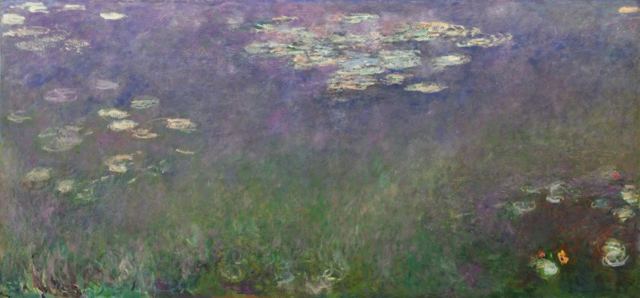
France, late 19th century-early 20th century · 约1915—1926年
睡莲(百子莲)
克洛德·莫奈
#BBA38B#B79F87#948372#AB9781#B59A7F#CDBAA6根据博物馆图像中的六组色彩估算,包含可见纸张或边框。复制方式和光照会影响结果;这里显示的是图像面积占比,而非颜料用量。
Mr. and Mrs. Lewis B. Williams Collection · 克利夫兰艺术博物馆
图像许可: CC0 · 博物馆记录与图像来源 ↗
This drawing belongs to a group of highly finished portrait drawings of Tahitians made by Paul Gauguin shortly after his arrival in the South Seas. While getting used to this new place, Gauguin initially avoided painting, preferring first to familiarize himself with the landscape and people through observation and drawing. The meticulous quality of this graphite study suggests that it was made from life. The woman’s noble face and enigmatic expression allude to the spirituality and melancholy that Gauguin sought to conjure in his Polynesian work.
馆藏文字 · 克利夫兰艺术博物馆 · CC0早期粉笔习作依靠明暗描绘,1891年头像与1902年绘画则形成不同人物存在感及叙事。比较平面、轮廓及人物与背景关系。色彩可传达象征情绪,却不能证明人物内心,或一种真实且永恒不变的文化。
以下为艺术家整体创作背景,单件作品可能有所不同。
素描、绘画及版画是并行路径,媒介变化不构成单一阶梯。
强调轮廓与简化平面,减少传统塑形并强化象征安排。
非自然主义色彩营造情绪,需结合殖民与想象语境理解。
从眼前可见之处开始:形状、表面、色彩与尺度。所列材料可能怎样影响作品的制作方式与观看体验?
观看提示 · 邀请你观察,而非对历史的定论。