 ↗
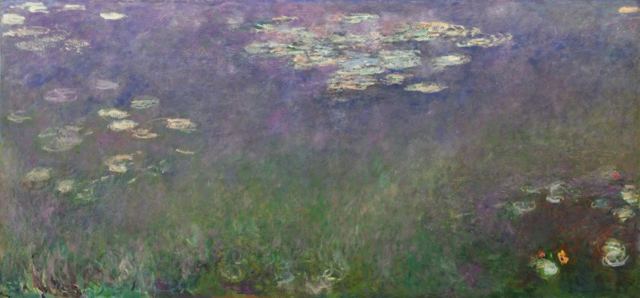
France, late 19th century-early 20th century · 约1915—1926年
睡莲(百子莲)
克洛德·莫奈
Gift of The Print Club of Cleveland in memory of William J. Eastman · 克利夫兰艺术博物馆
图像许可: CC0 · 博物馆记录与图像来源 ↗
In both his sculpture and prints, Barlach expressed the suffering and anguish of World War I (1914-18) and the difficult years that followed. The artist, whose work depicts ordinary workers, wrote: "Truly, not beauty and loveliness is our strength, our power, but rather the opposite, ugliness, daemonic passion and the grotesque genius of greatness..."
馆藏文字 · 克利夫兰艺术博物馆 · CC0比较1906年陶土乞者、1928年青铜歌者及1931年石版。泥、铸金属和印刷笔迹以不同方式传达重量,色彩常次于体量、表面及姿态。紧凑身体如何呈现内在活动?若馆藏区分原模与铸造日期,也应分别阅读。
以下为艺术家整体创作背景,单件作品可能有所不同。
塑泥、铸铜及石版,以不同工序承载重量感。
紧凑身体、包裹衣物及集中手势,表达内在活动。
材料色调、阴影及表面,常比多样绘画配色更重要。
从眼前可见之处开始:形状、表面、色彩与尺度。所列材料可能怎样影响作品的制作方式与观看体验?
观看提示 · 邀请你观察,而非对历史的定论。