 ↗
France, late 19th century-early 20th century · 约1915—1926年
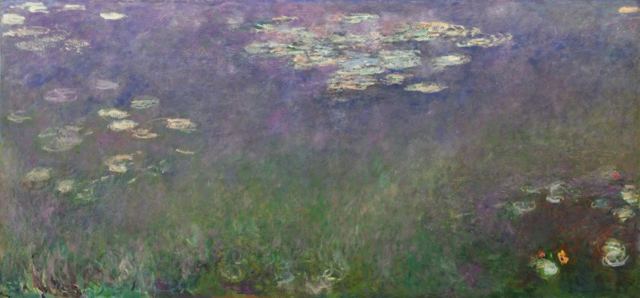
睡莲(百子莲)
克洛德·莫奈
#E19F47#854E3A#D2A06B#E4A96B#9D845F#CD935B根据博物馆图像中的六组色彩估算,包含可见纸张或边框。复制方式和光照会影响结果;这里显示的是图像面积占比,而非颜料用量。
自动识别图像中面积较小、色彩鲜明的细节。这些区域已包含在上方主色分组内,其占比无需再次相加。
#297E68≈ 0.27%#B1132F≈ 0.15%Bequest of Leonard C. Hanna Jr. · 克利夫兰艺术博物馆
图像许可: CC0 · 博物馆记录与图像来源 ↗
Inspired by Cleveland’s groundbreaking acquisitions of Odilon Redon’s artworks during the 1920s, local philanthropist and collector Leonard C. Hanna Jr. purchased this luminous pastel of a floral still life in 1937. Hanna acquired it from Jacques Seligmann, a dealer based in New York City and Paris who was fundamental in bringing 19th-century French art to American audiences. In 1939, Hanna loaned the pastel to the New York World’s Fair, where it represented Redon’s work. Those who saw it there were attracted to the vivid color and timeless subject, which preoccupied the artist at the end of his life.
馆藏文字 · 克利夫兰艺术博物馆 · CC0比较1868年石墨风景、1893年石版及1916年花卉粉彩。深色笔迹仅靠明暗也能创造想象空间,干性色粉则带来另一种强度与肌理。追踪可辨题材如何经裁切、尺度及周围气氛获得暗示性。
以下为艺术家整体创作背景,单件作品可能有所不同。
石墨和石版暗部,与后来的明亮干性粉彩并存。
孤立形态、异常尺度及暗示性轮廓,把熟悉题材推向想象世界。
幽暗明暗图像及饱和花卉色面,是互补路径,并非简单情绪反转。
从眼前可见之处开始:形状、表面、色彩与尺度。所列材料可能怎样影响作品的制作方式与观看体验?
观看提示 · 邀请你观察,而非对历史的定论。