 ↗
France, late 19th century-early 20th century · c. 1915–26
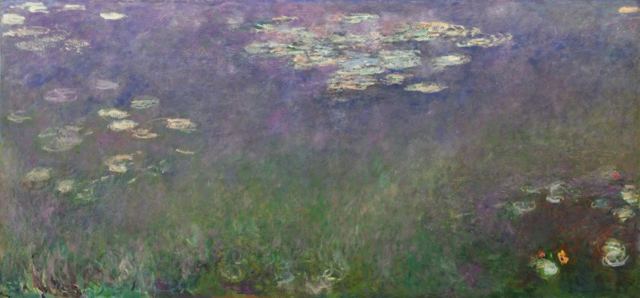
Water Lilies (Agapanthus)
Claude Monet
#E19F47#854E3A#D2A06B#E4A96B#9D845F#CD935BEstimated from six colour groups in the museum image, including visible paper or borders. Reproduction and lighting affect the result; these are image-area proportions, not pigment measurements.
Small, vivid details detected in the image. These areas are already included in the dominant groups above; their percentages are not added to the total.
#297E68≈ 0.27%#B1132F≈ 0.15%Bequest of Leonard C. Hanna Jr. · The Cleveland Museum of Art
Image licence: CC0 · Museum record & image source ↗
Inspired by Cleveland’s groundbreaking acquisitions of Odilon Redon’s artworks during the 1920s, local philanthropist and collector Leonard C. Hanna Jr. purchased this luminous pastel of a floral still life in 1937. Hanna acquired it from Jacques Seligmann, a dealer based in New York City and Paris who was fundamental in bringing 19th-century French art to American audiences. In 1939, Hanna loaned the pastel to the New York World’s Fair, where it represented Redon’s work. Those who saw it there were attracted to the vivid color and timeless subject, which preoccupied the artist at the end of his life.
Collection text · The Cleveland Museum of Art · CC0Compare the 1868 graphite landscape, the 1893 lithograph and the 1916 floral pastel. Dark marks can create an imaginative space through tone alone; dry coloured pastel gives a different intensity and texture. Track how a recognisable motif becomes suggestive through cropping, scale and its surrounding atmosphere.
Artist-wide context; individual works may differ.
Graphite and lithographic darks coexist with later dry, luminous pastel colour.
Isolated forms, unusual scale and suggestive outlines move familiar motifs toward imagined worlds.
Dark tonal visions and saturated floral passages are complementary strands rather than a simple emotional reversal.
Start with what you can see: shapes, surface, colour and scale. How might the listed materials affect the way this object was made and experienced?
Looking prompt · an invitation to observe, not a historical interpretation.