 ↗
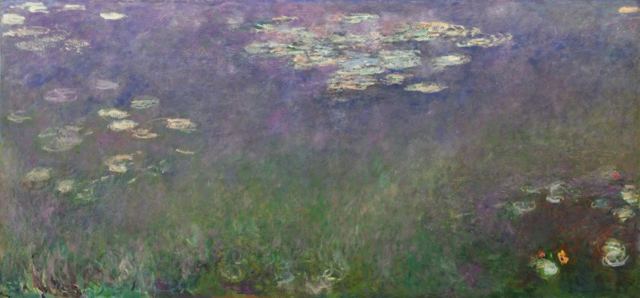
France, late 19th century-early 20th century · 约1915—1926年
睡莲(百子莲)
克洛德·莫奈
John L. Severance Fund · 克利夫兰艺术博物馆
图像许可: CC0 · 博物馆记录与图像来源 ↗
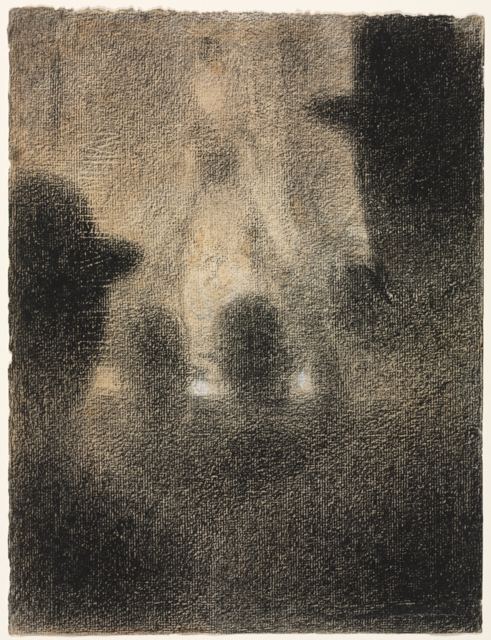
Goya left Spain in 1824 to escape the repressive rule of King Ferdinand VII and settled in Bordeaux, France, where he met Gaulon, an expert lithographer. Working with him, Goya executed Woman Reading to Two Children, where he drew densely with a crayon and then scratched out fine highlights on the woman's arm, skirt, mantilla, and around her head. An onlooker described Goya's methods, "Usually he covered the whole stone with a uniform gray tone and then removed with the scraper those parts which were to appear light. . . . Next the crayon was again employed to strengthen the shadows, the accents." Goya's portrayal of the children's rapt attention and the tranquil figure of the young woman suggests that this charming domestic scene was observed by the artist in his own home. Goya was joined in Bordeaux by his companion Leocadia Weiss and her two younger children, Guillermo and María del Rosario. Only seven impressions of this lithograph are known, all of which are now in museum collections.
馆藏文字 · 克利夫兰艺术博物馆 · CC0比较1799年版画的明暗讽刺、1819年油画肖像及1824至1825年的阅读题材石版画。蚀刻飞尘、油彩叠层及石版描绘形成不同肌理与观众。必须区分创作及印刷日期,身后印本不是新的晚年创作。
以下为艺术家整体创作背景,单件作品可能有所不同。
油彩、蚀刻、飞尘及晚期石版,为项目提供不同表面和观众。
压缩动作及选择性细节,强化肖像或讽刺场景。
飞尘形成宽阔明暗面,绘画色彩与石版暗部服务不同照明效果。
从眼前可见之处开始:形状、表面、色彩与尺度。所列材料可能怎样影响作品的制作方式与观看体验?
观看提示 · 邀请你观察,而非对历史的定论。