 ↗
China, Ming dynasty (1368–1644) · 1490年之后
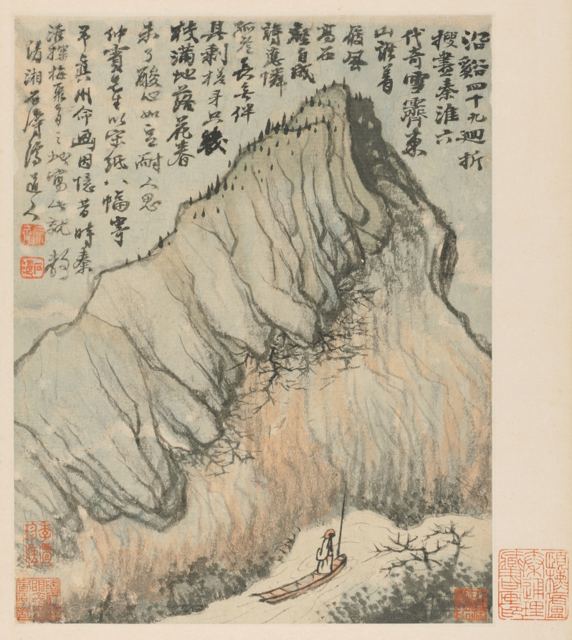
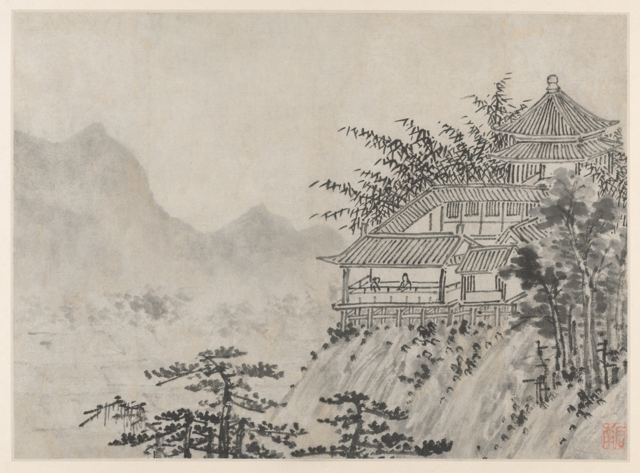
千顷云,选自《苏州虎丘十二景》
沈周
#C0B39A#AB9E86#C8BDA6#948975#B4A78E#C9C4B7根据博物馆图像中的六组色彩估算,包含可见纸张或边框。复制方式和光照会影响结果;这里显示的是图像面积占比,而非颜料用量。
Purchase from the J. H. Wade Fund · 克利夫兰艺术博物馆
图像许可: CC0 · 图像使用政策 · 博物馆记录与图像来源 ↗
Attributed to Sahkulu
沿叶纹的一道弯看到兽首。眼睛从认植物转为认动物的那一刻,正是几种形象能够连成一体的关键。
本站观察与练习建议;历史和制作资料见下方来源。
资料依据 The Cleveland Museum of Art ↗
可对照阅读
A dragon lunges toward a pearl in the form of a seal inscribed with a verse from the Koran: “And I commit my case unto God” (40:44). In his front claw, the dragon grasps two flowering branches that magically produce a variety of blooms, including a lion that bites the dragon’s neck and a phoenix, who competes for the pearl. Sahkulu was trained by Persian artists, as were many artists of Mughal India during the 1500s. He joined the Ottoman imperial painting atelier in Istanbul in 1526 and became the head in 1545.
馆藏文字 · 克利夫兰艺术博物馆 · CC0