 ↗
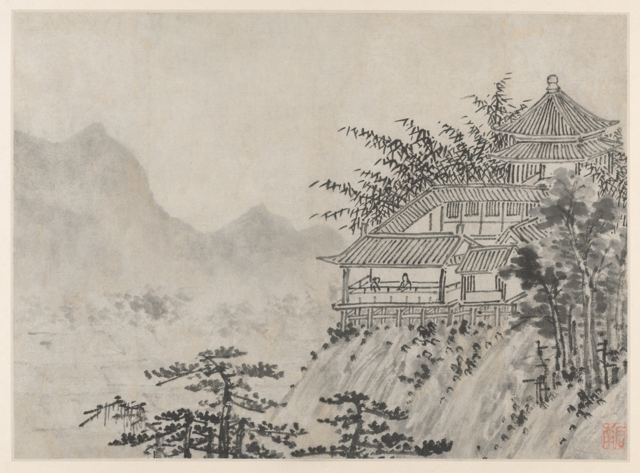
China, Ming dynasty (1368–1644) · 1490年之后
千顷云,选自《苏州虎丘十二景》
沈周
#D2BFA6#B9A58C#CBB89F#8D7A6C#C4AD90#DAC5AA根据博物馆图像中的六组色彩估算,包含可见纸张或边框。复制方式和光照会影响结果;这里显示的是图像面积占比,而非颜料用量。
自动识别图像中面积较小、色彩鲜明的细节。这些区域已包含在上方主色分组内,其占比无需再次相加。
#47598A≈ 0.42%#88453F≈ 0.14%Grace Rainey Rogers Fund · 克利夫兰艺术博物馆
图像许可: CC0 · 图像使用政策 · 博物馆记录与图像来源 ↗
博物馆未记录创作者
和本站另一条巴赫拉姆抵达商人家的记录并读。相同的是故事,具体书叶、正反面和馆藏记录却要各自辨认。
本站观察与练习建议;历史和制作资料见下方来源。
资料依据 The Cleveland Museum of Art ↗
可对照阅读
In this intense painting, Bahram Gur plunges his sword into the breast of a dragon. A favorite character from Iran's pre-Islamic history, Bahram Gur (reigned 420–38 CE) was a popular ruler of the Sasanian dynasty and a great hunter. He took the name "Gur," meaning onager (a wild ass), because it was his preferred game, although he also excelled at killing dragons. As evidenced by this illustration's rock formations, tree trunk, and dragon, Iranian painting in the Mongol period borrowed numerous stylistic and spatial elements from Chinese models. With the surging landscape and writhing dragon rendered with equal energy, this is a picture of extraordinary unity and concentration.
馆藏文字 · 克利夫兰艺术博物馆 · CC0