 ↗
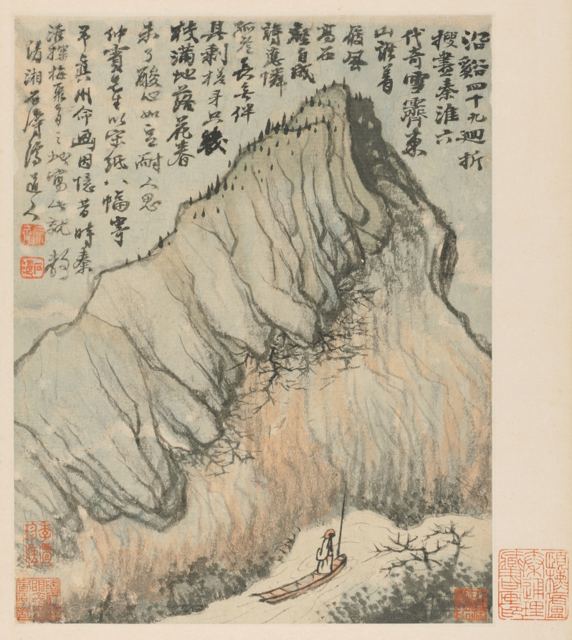
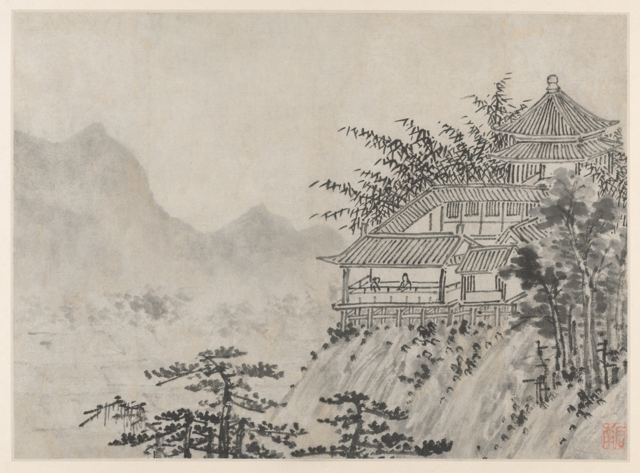
China, Ming dynasty (1368–1644) · 1490年之后
千顷云,选自《苏州虎丘十二景》
沈周
#CBBDA4#D2C1A7#BEB09A#A38F7C#C8B699#DAC9AD根据博物馆图像中的六组色彩估算,包含可见纸张或边框。复制方式和光照会影响结果;这里显示的是图像面积占比,而非颜料用量。
自动识别图像中面积较小、色彩鲜明的细节。这些区域已包含在上方主色分组内,其占比无需再次相加。
#955648≈ 0.56%John L. Severance Fund · 克利夫兰艺术博物馆
图像许可: CC0 · 图像使用政策 · 博物馆记录与图像来源 ↗
博物馆未记录创作者
诗页用在位年数给故事计时,却用行列分配纸面。先看视觉分段,再沿叙事次序走一遍。
本站观察与练习建议;历史和制作资料见下方来源。
资料依据 The Cleveland Museum of Art ↗
可对照阅读
Mongol interest in the production of illustrated manuscripts eventually focused on Persian epic poetry. The Shahnama, a compilation of the epics and tales of Iran's legendary heroes, was a natural choice; the book included many subjects that suited Mongol taste, such as banquets, battles, hunting, and magical or fantastic events. Seated on the throne in the center of the painting is the Sasanian ruler of Iran, Khusraw I Anushirwan (531–579), descendant of Bahram Gur. Above the king's head an inscription reads, "Picture of Nushirwan the Just." The figure in the elaborate turban to the left of the king is probably the young Minister Buzurgmihr, famous for his wisdom and virtue. To celebrate the explanation of a troublesome dream by Buzurgmihr, Nushirwan held a series of seven banquets. The text around this painting describes the fifth banquet.
馆藏文字 · 克利夫兰艺术博物馆 · CC0