c. 1916–1920s
Dates overlap and vary by place; they are not strict boundaries.
Movement
A movement, period and school are different kinds of historical grouping.
Associations are checked against museum records rather than assigned from dates alone.
Why it emerged
During World War I, artists in neutral Zurich and other cities challenged the cultural values that seemed unable to prevent mass destruction. Performance, nonsense, chance and found materials undermined established definitions of art. Dada developed differently in Berlin, New York and elsewhere, with some groups placing sharper emphasis on political critique.
Key artists and contributions
Hannah Höch
Used photomontage to question mass media, gender roles and political authority.
Marcel Duchamp
Made selection and context central to art through the readymade.
Jean Arp
Used chance arrangements to challenge the artist’s complete control over composition.
What changed afterwards
Found objects, collage and performance became lasting resources for Surrealism and later Conceptual Art. Dada’s importance lies partly in changing the question from “How skilfully was this made?” to “What makes this count as art here?”
Sources and further reading
Original educational overview, informed by the resources below. Artist examples are selective; they are not a complete membership list.
Works in this collection
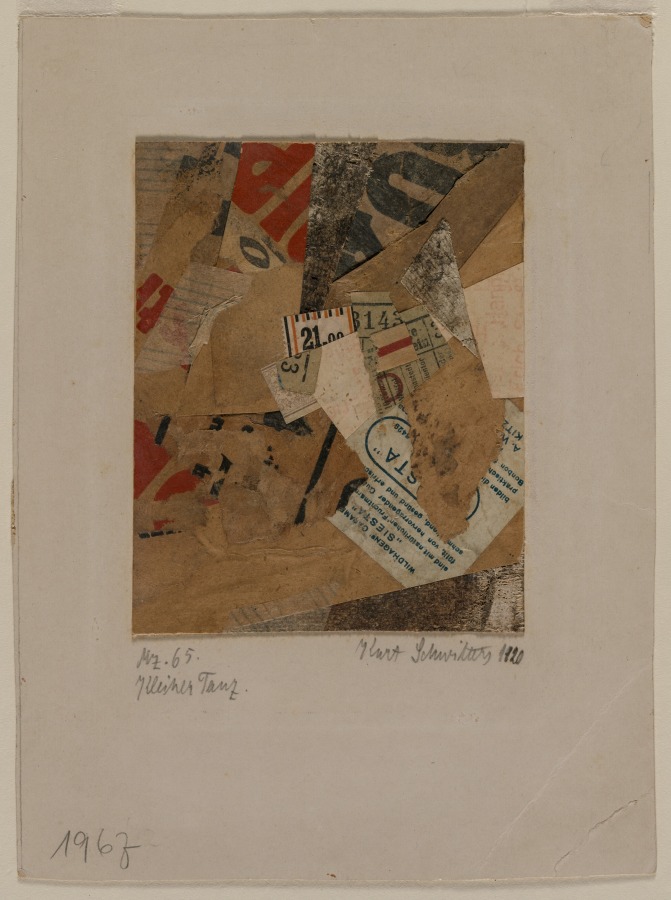 ↗
Little Dance
Kurt Schwitters
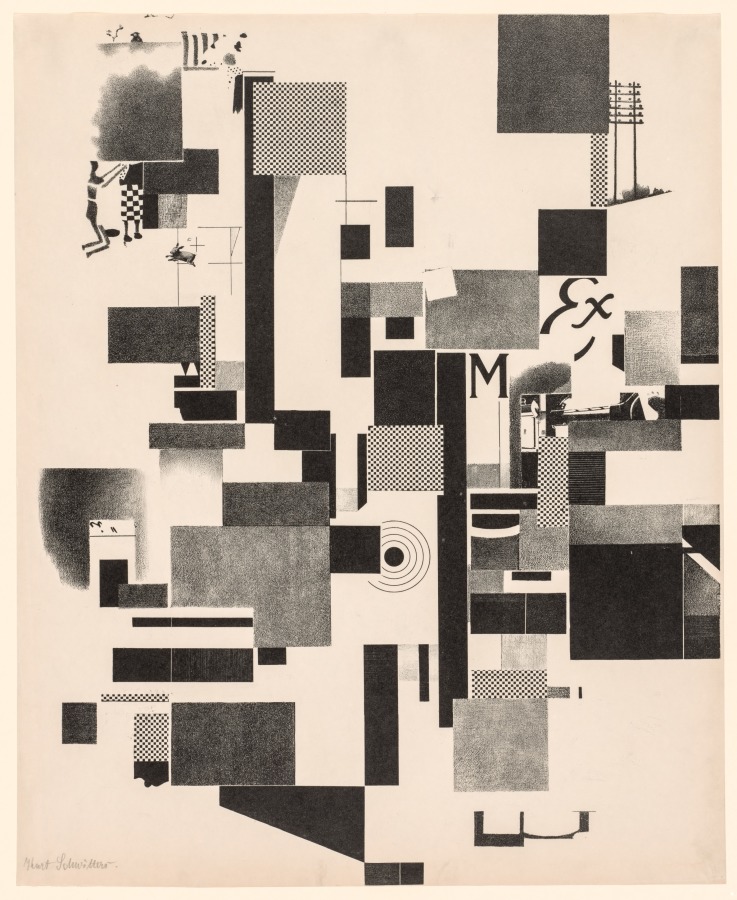 ↗
Merz 3 Portfolio: Plate 1
Kurt Schwitters
Movement and school labels are interpretive tools. Individual works can cross boundaries, and an artist’s entire career is not assigned to a single movement.