c. 1710–1780
Dates overlap and vary by place; they are not strict boundaries.
Historical style
A movement, period and school are different kinds of historical grouping.
Associations are checked against museum records rather than assigned from dates alone.
Why it emerged
In eighteenth-century France, aristocratic and wealthy patrons increasingly commissioned art for intimate rooms and sociable interiors. Decorative asymmetry, playful mythologies and scenes of leisure suited these settings. The style spread through craftsmen, prints and courts, taking different forms beyond France; its apparent lightness rested on unequal access to wealth and leisure.
Key artists and contributions
Antoine Watteau
Made fashionable outdoor gatherings feel both theatrical and emotionally elusive.
François Boucher
Linked sensual mythological painting with decorative commissions.
Jean-Honoré Fragonard
Used quick brushwork and dramatic gardens to animate desire and play.
What changed afterwards
Neoclassical critics challenged its luxury and perceived frivolity, yet decorative designers repeatedly revived its curves and ornament. Later interest in its colour and fluid handling shows how a rejected style can remain a productive artistic resource.
Sources and further reading
Original educational overview, informed by the resources below. Artist examples are selective; they are not a complete membership list.
Works in this collection
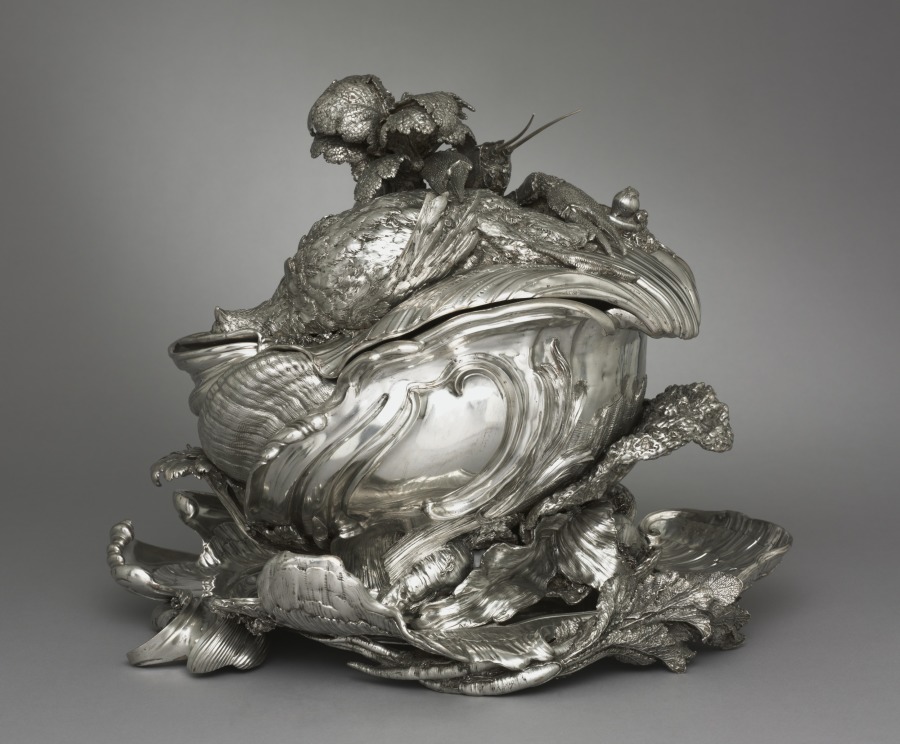 ↗
Covered Tureen on Stand (Pot-à-oille)
Juste-Aurèle Meissonnier
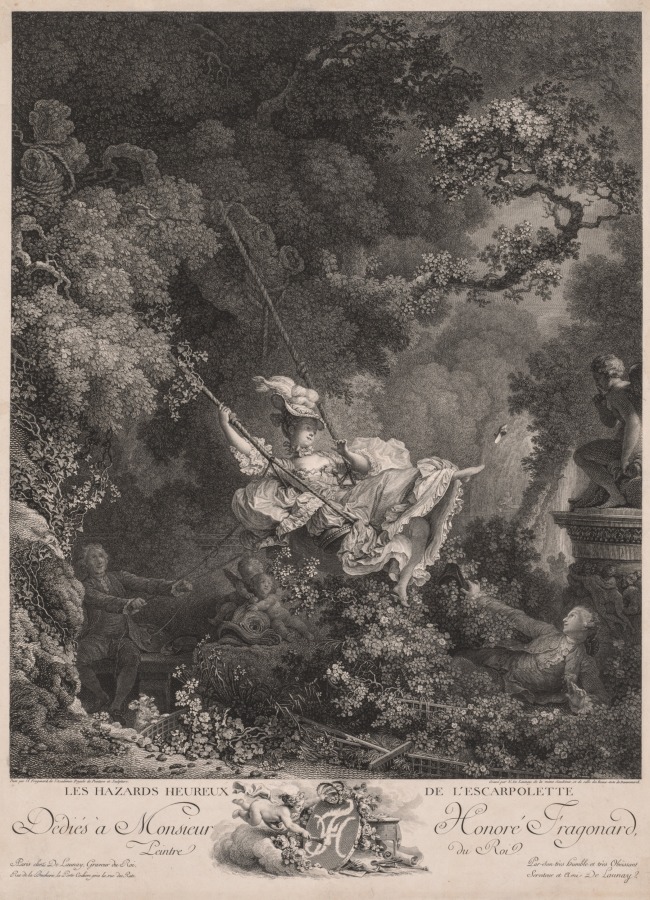 ↗
The Swing
Nicolas Delaunay
Movement and school labels are interpretive tools. Individual works can cross boundaries, and an artist’s entire career is not assigned to a single movement.