c. 1890–1914
Dates overlap and vary by place; they are not strict boundaries.
Design movement
A movement, period and school are different kinds of historical grouping.
Associations are checked against museum records rather than assigned from dates alone.
Why it emerged
Around 1900, designers sought a modern visual language instead of repeating historical styles. Arts and Crafts reform, botanical study and encounters with Japanese design encouraged experiments across architecture, posters and domestic objects. Commercial printing and new materials helped spread these designs, even as makers debated industrial production and skilled craft.
Key artists and contributions
Alphonse Mucha
Made flowing contours and integrated lettering into a recognisable language of advertising.
Victor Horta
Connected iron structure, ornament and interior planning in Belgian architecture.
Émile Gallé
Used botanical forms and material experimentation in glass and furniture.
What changed afterwards
Its ambition to unite art and everyday surroundings fed modern design debates. Later functionalists rejected much of its ornament while continuing to ask how buildings, objects and graphics might form a coherent environment.
Sources and further reading
Original educational overview, informed by the resources below. Artist examples are selective; they are not a complete membership list.
Works in this collection
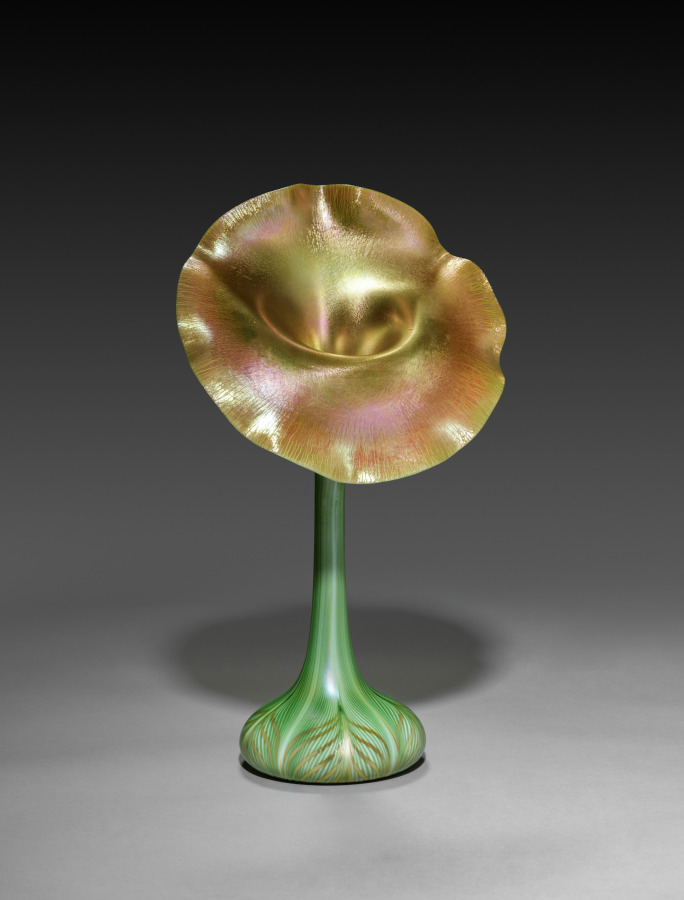 ↗
Jack-in-the-Pulpit Vase
Creator not recorded
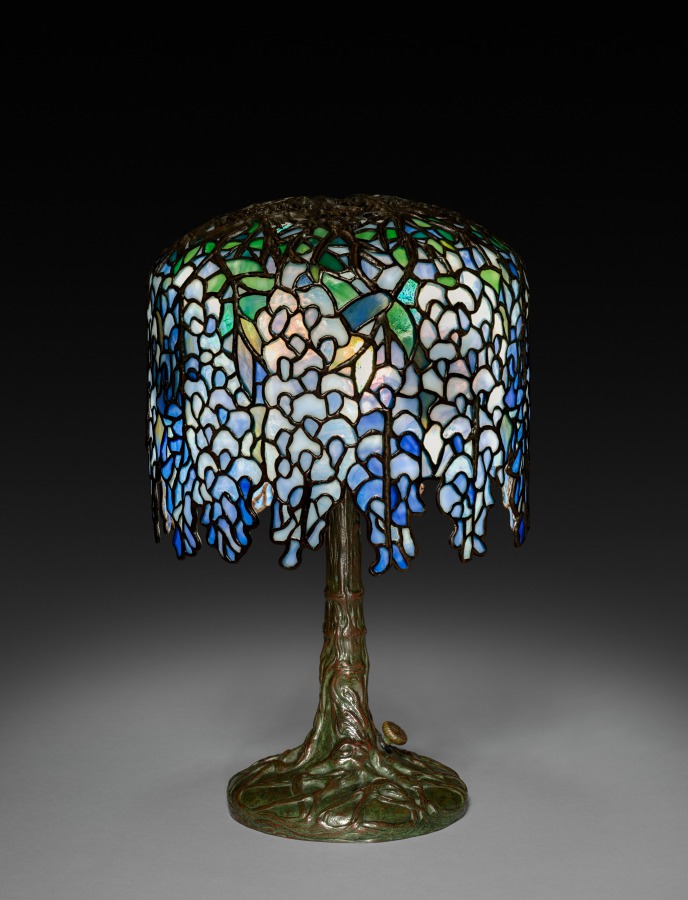 ↗
"Pony" Wisteria Lamp
Clara Wolcott Driscoll
Movement and school labels are interpretive tools. Individual works can cross boundaries, and an artist’s entire career is not assigned to a single movement.