c. 1750–1830
Dates overlap and vary by place; they are not strict boundaries.
Historical style
A movement, period and school are different kinds of historical grouping.
Associations are checked against museum records rather than assigned from dates alone.
Why it emerged
Excavations at Herculaneum and Pompeii, travel and illustrated publications renewed eighteenth-century engagement with antiquity. Enlightenment debate encouraged ideals of reason and public virtue. Classical forms served competing patrons, including reformers, revolutionaries and emperors: the style did not carry one fixed political message.
Key artists and contributions
Jacques-Louis David
Used clear composition and antique narratives to make duty and political allegiance visible.
Antonio Canova
Reworked antique sculpture through refined marble surfaces and carefully balanced bodies.
Angelica Kauffman
Helped establish history painting and classical subjects within international portrait and academic networks.
What changed afterwards
Its figure drawing and hierarchies of subject matter became central to academic training. Romantic artists often learned within the same institutions before contesting their priorities, so the relationship was one of debate and overlap rather than a clean stylistic replacement.
Sources and further reading
Original educational overview, informed by the resources below. Artist examples are selective; they are not a complete membership list.
Works in this collection
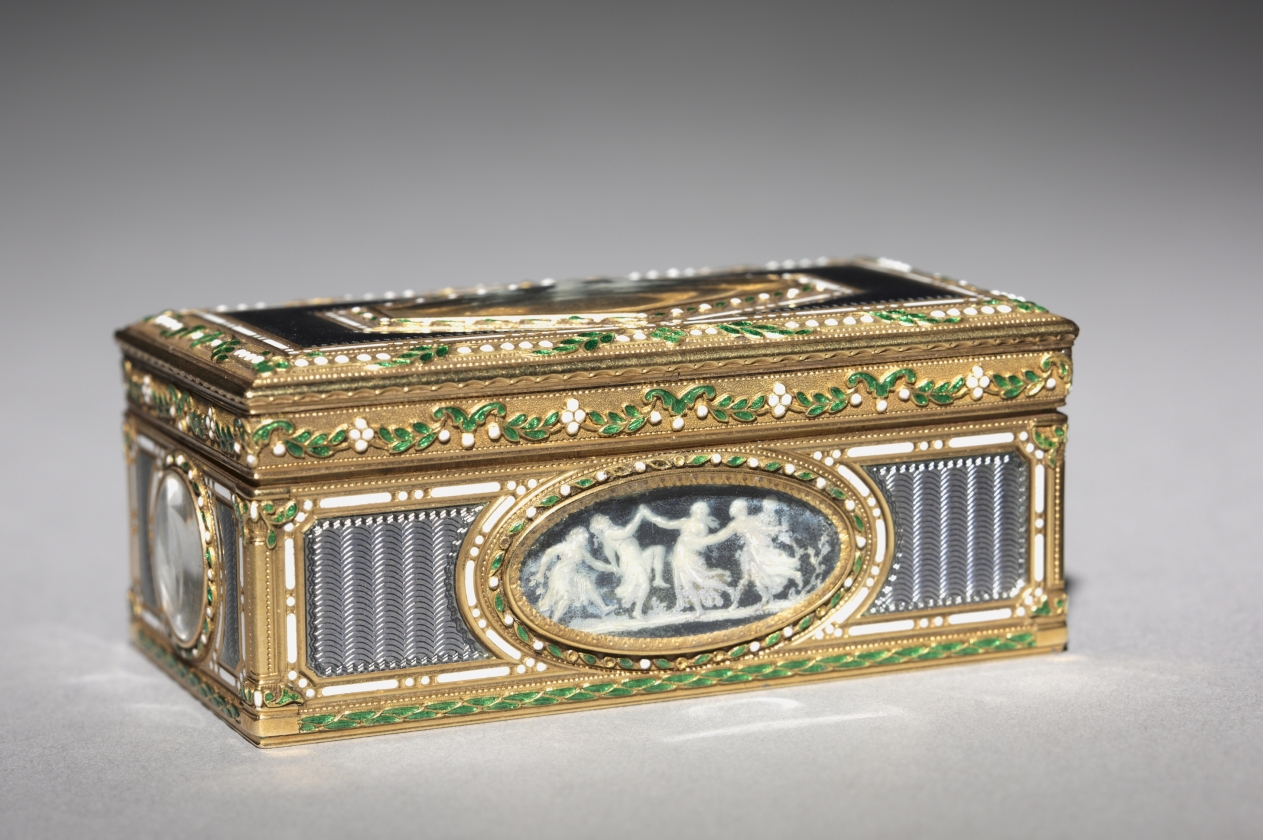 ↗
Snuff Box (Tabatière)
François Chazeray
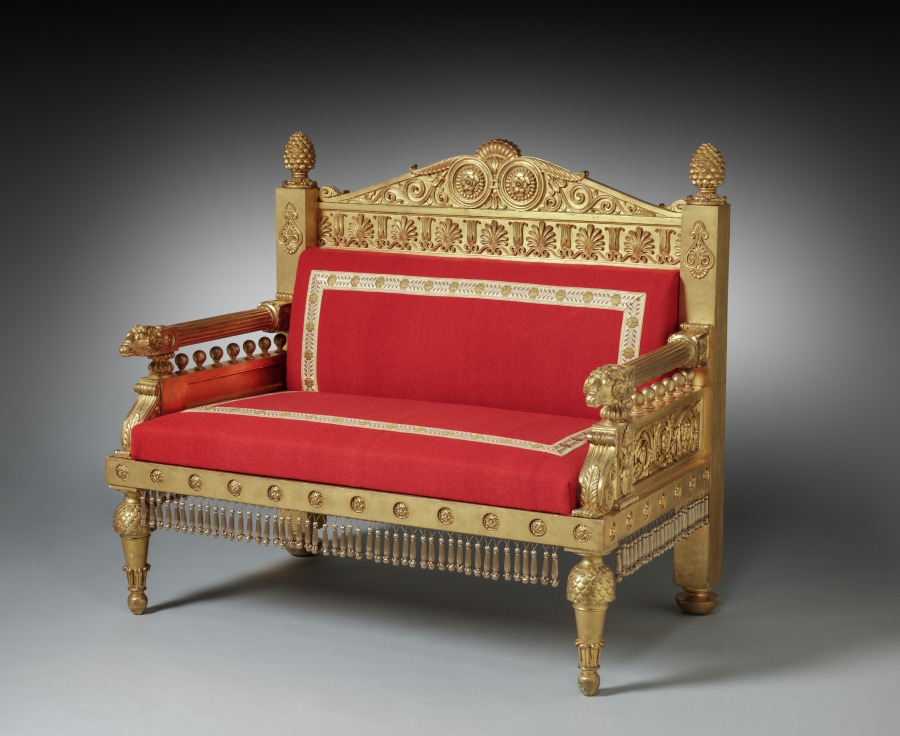 ↗
Settee
Thomas Hope
Movement and school labels are interpretive tools. Individual works can cross boundaries, and an artist’s entire career is not assigned to a single movement.