 ↗
Japan, Edo period (1615–1868) · late 1790s
Cherry Blossoms in the Wind
Utagawa Toyokuni
#DEC09E#887660#DABD9B#B49D7F#C9AF8F#E8D1B1Estimated from six colour groups in the museum image, including visible paper or borders. Reproduction and lighting affect the result; these are image-area proportions, not pigment measurements.
Gift of Mr. and Mrs. Ralph King · The Cleveland Museum of Art
Image licence: CC0 · Museum record & image source ↗
The Dancer, No. 1 is a representative work in our James McNeill Whistler guide. The catalogue records ink. Museum attribution. The linked artist guide places it alongside other works from the artist’s career.
Original educational overview · based on the linked museum recordThe Garden and Two Doorways use etching to make architecture emerge from selective lines and areas of tone; the later ink dancer transfers attention to a moving figure. Compare what is omitted as much as what is drawn. A limited palette can still create light, distance and rhythm.
Artist-wide context; individual works may differ.
Etching, drypoint and ink make selective marks on a largely open support.
Sparse contours and interrupted detail make architecture or a figure emerge from suggestion.
Monochrome tonal harmony carries atmosphere; limited colour does not imply limited sensitivity to light.
Start with what you can see: shapes, surface, colour and scale. How might the listed materials affect the way this object was made and experienced?
Looking prompt · an invitation to observe, not a historical interpretation.↗Utagawa Toyokuni
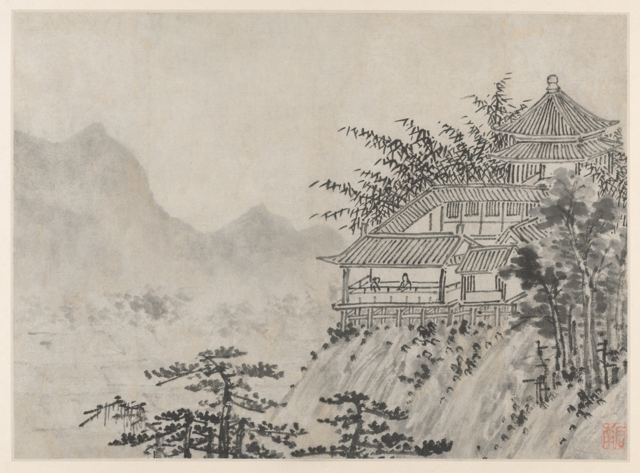 ↗
Shen Zhou
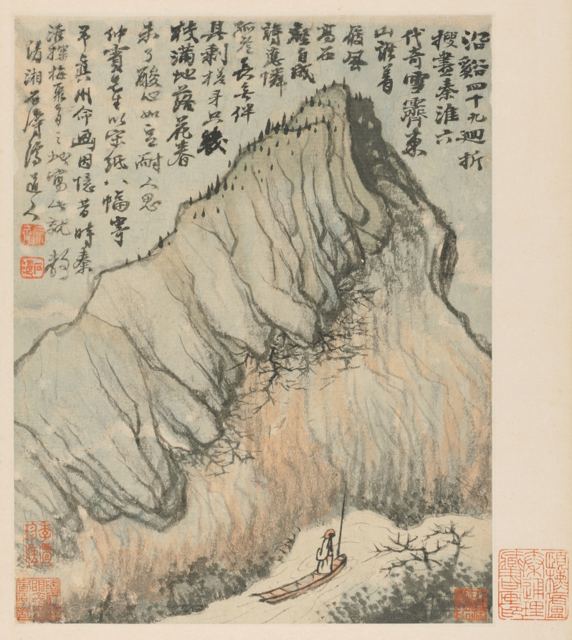 ↗
Shitao
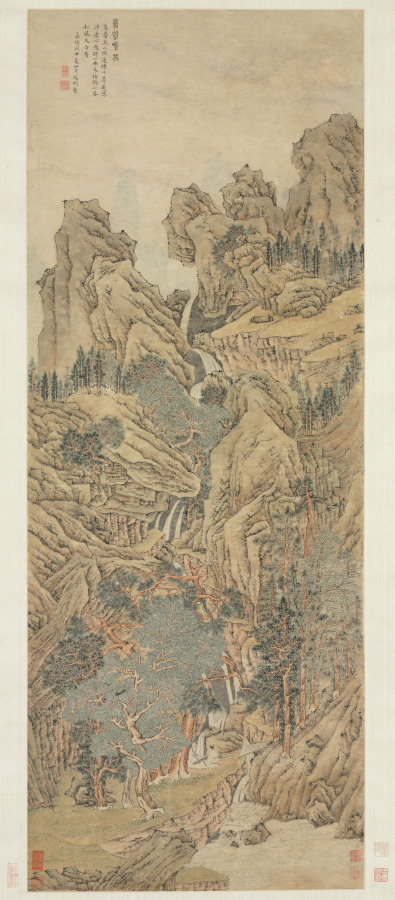 ↗
Wen Zhengming