 ↗
Japan, Edo period (1615–1868) · late 1790s
Cherry Blossoms in the Wind
Utagawa Toyokuni
Dudley P. Allen Fund · The Cleveland Museum of Art
Image licence: CC0 · Museum record & image source ↗
This portrait of Dr. Paul Gachet, made just two months before the artist’s death, is the only etching that Vincent van Gogh created. Van Gogh placed himself under the care of Gachet in Auvers-sur-Oise, a small village on the northern outskirts of Paris, at the recommendation of fellow artist Camille Pissarro. The doctor was himself an amateur printmaker and gave Van Gogh a varnished copper plate, helping him print it on his own small hand press. For his first attempt, Van Gogh depicted Gachet seated in his garden smoking a pipe.
Collection text · The Cleveland Museum of Art · CC0The 1883 watercolour and chalk landscape uses earthy tonal structure; the 1889 oil landscape activates the surface through colour and directional marks. In Dr. Gachet, etched and drypoint lines replace painted colour. This final print shows that late experimentation did not mean abandoning drawing or moving inevitably toward brighter paint.
Artist-wide context; individual works may differ.
Watercolour, oil and the rare etched plate produce distinct surfaces across the selected career.
Directional, rhythmic marks make plants, sky and ground feel active; print lines condense this energy.
Earthy early tones contrast with intensified later colour, while the final etching remains powerfully monochrome.
Start with what you can see: shapes, surface, colour and scale. How might the listed materials affect the way this object was made and experienced?
Looking prompt · an invitation to observe, not a historical interpretation.↗Utagawa Toyokuni
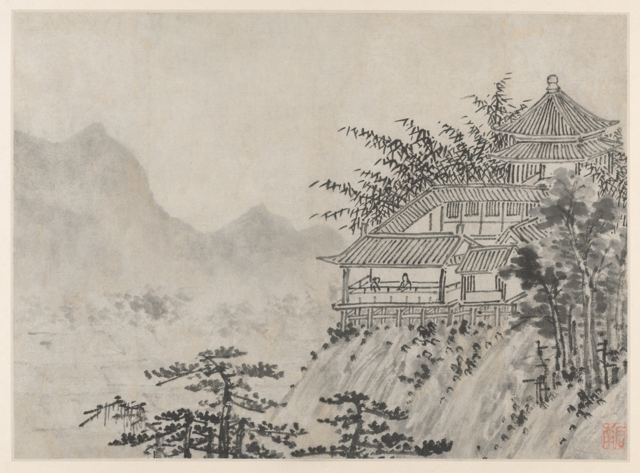 ↗
Shen Zhou
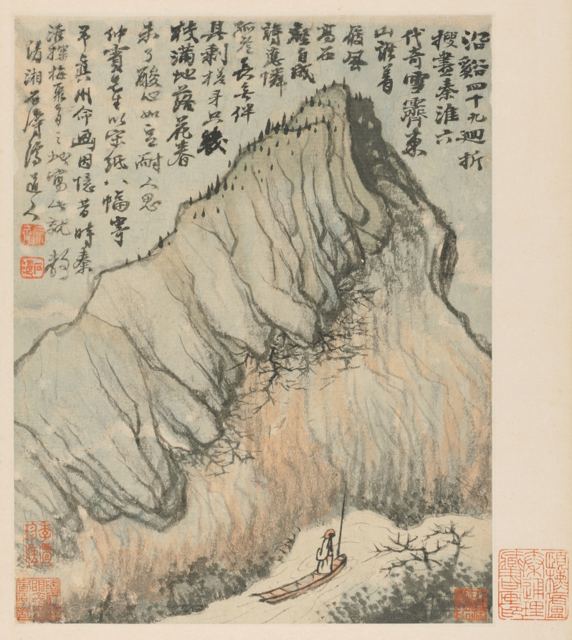 ↗
Shitao
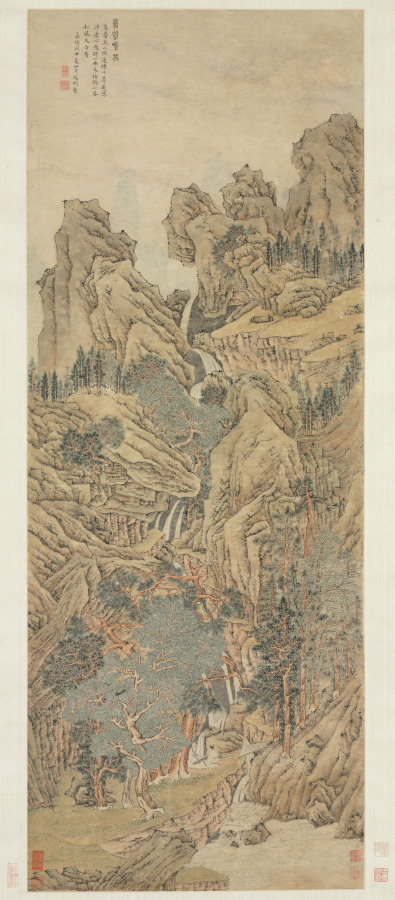 ↗
Wen Zhengming