 ↗
Japan, Edo period (1615–1868) · late 1790s
Cherry Blossoms in the Wind
Utagawa Toyokuni
#E5D7C5#7C6E5E#B2A08A#DDCDB9#C8B7A1#E9DFD0Estimated from six colour groups in the museum image, including visible paper or borders. Reproduction and lighting affect the result; these are image-area proportions, not pigment measurements.
Leonard C. Hanna Jr. Fund · The Cleveland Museum of Art
Image licence: CC0 · Museum record & image source ↗
Scholars now consider this drawing a rare, late work by Rembrandt. Here, Christ meets with Martha and Mary after the death of their brother, Lazarus (John 11:30–36). The composed dignity of Christ's face and his calm compassion contrast with the prostrate figure of Mary and the agitated drawing of the kneeling Martha, whose outstretched hands are repeated three times, suggesting a frenzied expressivity. Above Martha, white gouache obliterates the figure of a standing man as well as a first version of Martha's head. The combination of rough power and sublime tenderness that characterizes Rembrandt's late drawing style is here demonstrated in the dramatic rendering of the sisters' grief and the sensitive portrayal of the bearded old man who dries his eyes with a kerchief at the right.
Collection text · The Cleveland Museum of Art · CC0The youthful figure painting, 1641 etched landscape and late biblical drawing reveal different economies of means. Painted light models a body; printed lines organise a landscape; the drawing can concentrate a narrative in a few gestures. Compare tonal contrast and the amount of detail needed for recognition rather than assuming later work is merely less finished.
Artist-wide context; individual works may differ.
Oil, drawing and intaglio printing develop related problems through different surfaces.
Selective finish and concentrated gestures distinguish important forms from secondary detail.
Strong tonal organisation makes light an expressive focus; monochrome works retain rich spatial nuance.
Start with what you can see: shapes, surface, colour and scale. How might the listed materials affect the way this object was made and experienced?
Looking prompt · an invitation to observe, not a historical interpretation.↗Utagawa Toyokuni
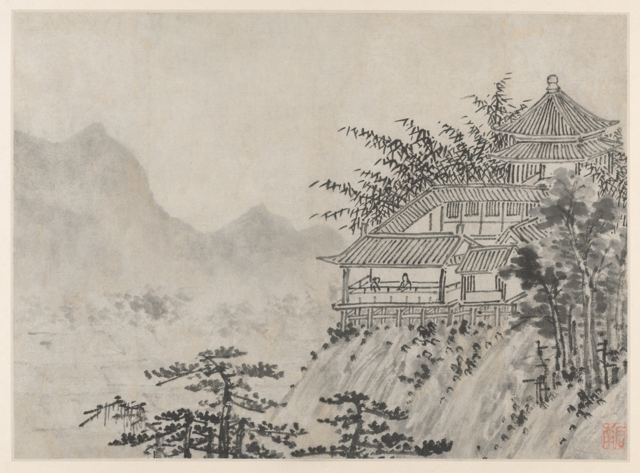 ↗
Shen Zhou
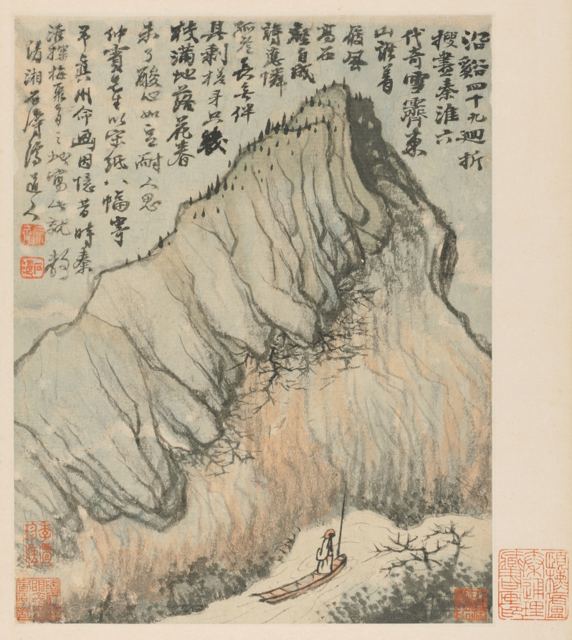 ↗
Shitao
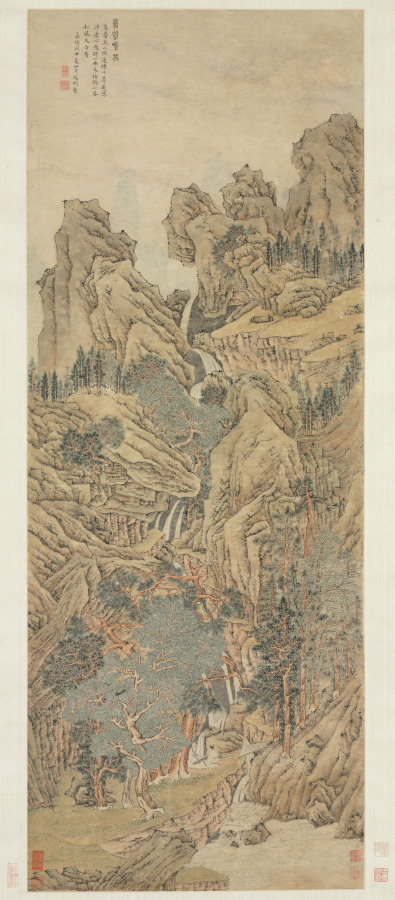 ↗
Wen Zhengming