 ↗
Japan, Edo period (1615–1868) · late 1790s
Cherry Blossoms in the Wind
Utagawa Toyokuni
#A79480#B5A694#8E7B68#AD9D8A#B1A08D#D0C9BEEstimated from six colour groups in the museum image, including visible paper or borders. Reproduction and lighting affect the result; these are image-area proportions, not pigment measurements.
Purchase from the J. H. Wade Fund · The Cleveland Museum of Art
Image licence: CC0 · Museum record & image source ↗
Reconciliation of the Romans and the Sabines (recto) Venus Disarming Mars, Drapery Study (verso) is a representative work in our Peter Paul Rubens guide. The catalogue records pen and brown ink and brush and gray and brown wash; framing lines in brown ink. Museum attribution. The linked artist guide places it alongside other works from the artist’s career.
Original educational overview · based on the linked museum recordCompare the painted hunting scene, the multi-figure drawing and the late Bear Hunt study. Different supports and degrees of finish test movement before or alongside larger projects. Follow diagonals, body turns and the use of light or colour to connect figures; a rapid study can be an intentional tool rather than an incomplete final picture.
Artist-wide context; individual works may differ.
Drawings and painted studies support larger works often realised with a substantial workshop.
Turning bodies, diagonals and interlocking gestures generate continuous compositional movement.
Warm flesh, fabric and light accents connect figures; rapid studies leave decisions deliberately visible.
Start with what you can see: shapes, surface, colour and scale. How might the listed materials affect the way this object was made and experienced?
Looking prompt · an invitation to observe, not a historical interpretation.↗Utagawa Toyokuni
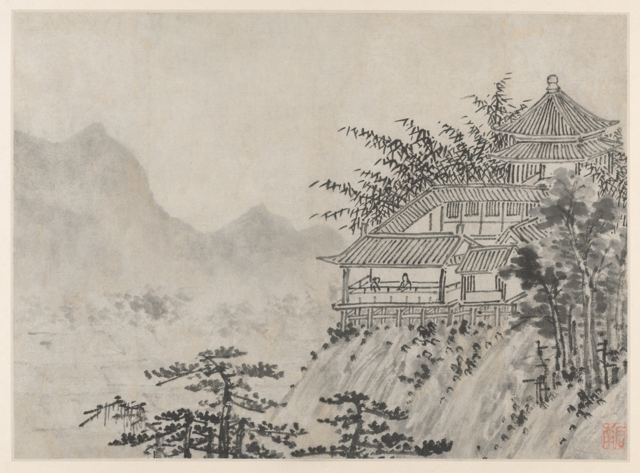 ↗
Shen Zhou
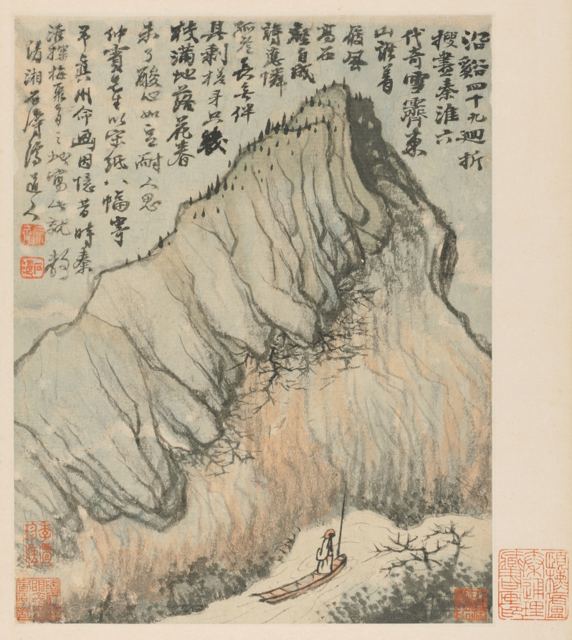 ↗
Shitao
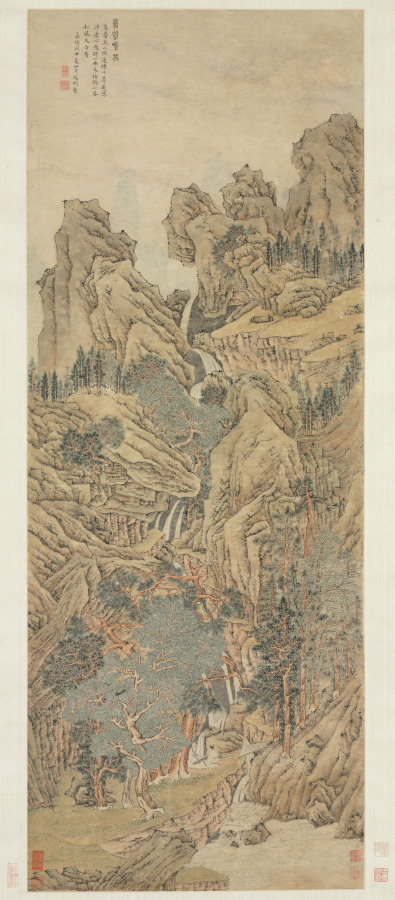 ↗
Wen Zhengming