 ↗
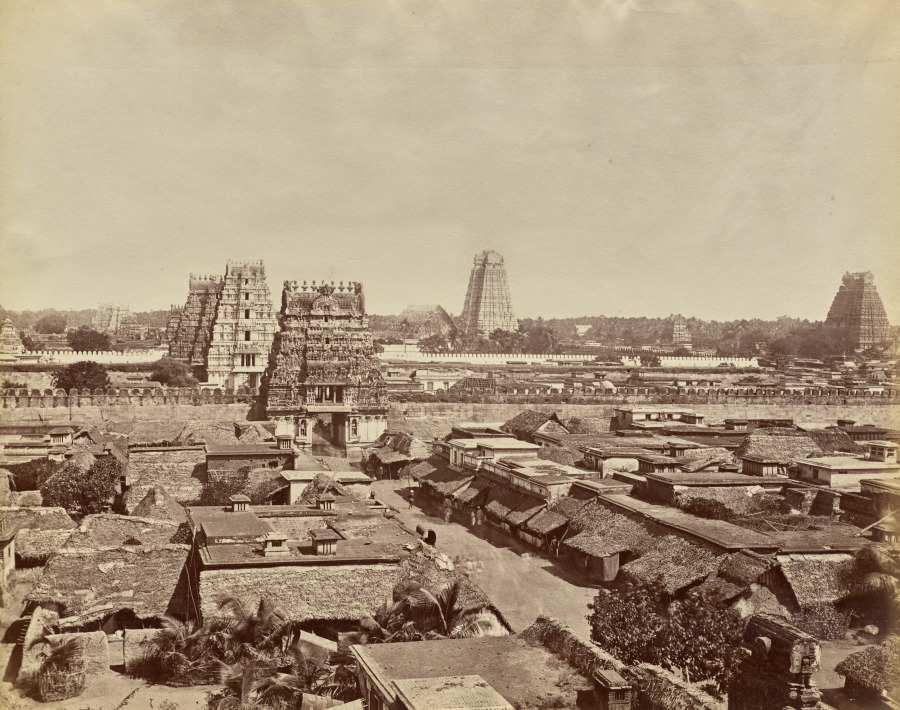
India · 1878
View from the Top of the Rock, looking over the native Town, Trichinopoly, India
Nicholas & Co.
John L. Severance Fund · The Cleveland Museum of Art
Image: public domain (CC0) · Museum record & image source ↗
Creator not recorded by the museum
Large numbers of ceramic vessels decorated with black slip have been found among the sophisticated urban settlements of South Asia's protohistoric Indus Valley civilization. The walls of this jar are so thin that it must have been created on a potter's wheel.The four male ibex have two curving horns of exaggerated length, and three hairs under the chin.
Collection text · The Cleveland Museum of Art · CC0Start with what you can see: shapes, surface, colour and scale. How might the listed materials affect the way this object was made and experienced?
Looking prompt · an invitation to observe, not a historical interpretation.↗Nicholas & Co.
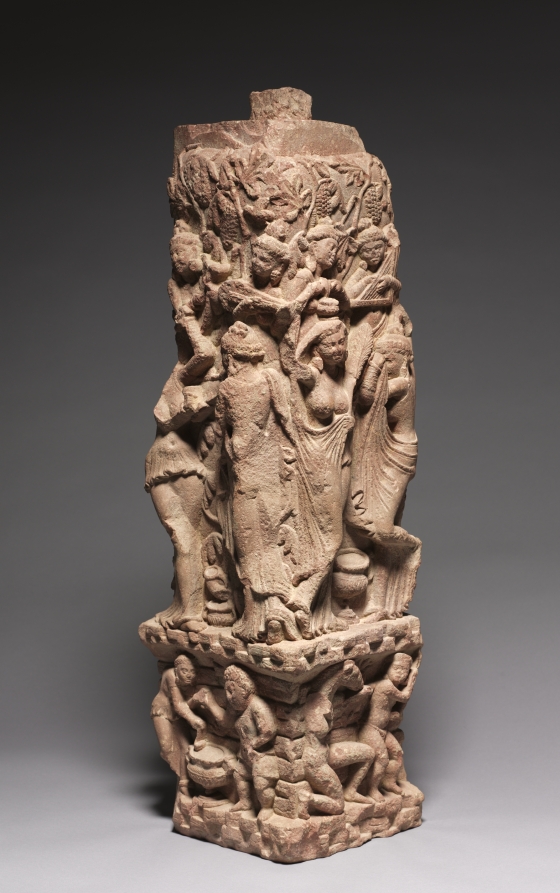 ↗
Creator not recorded
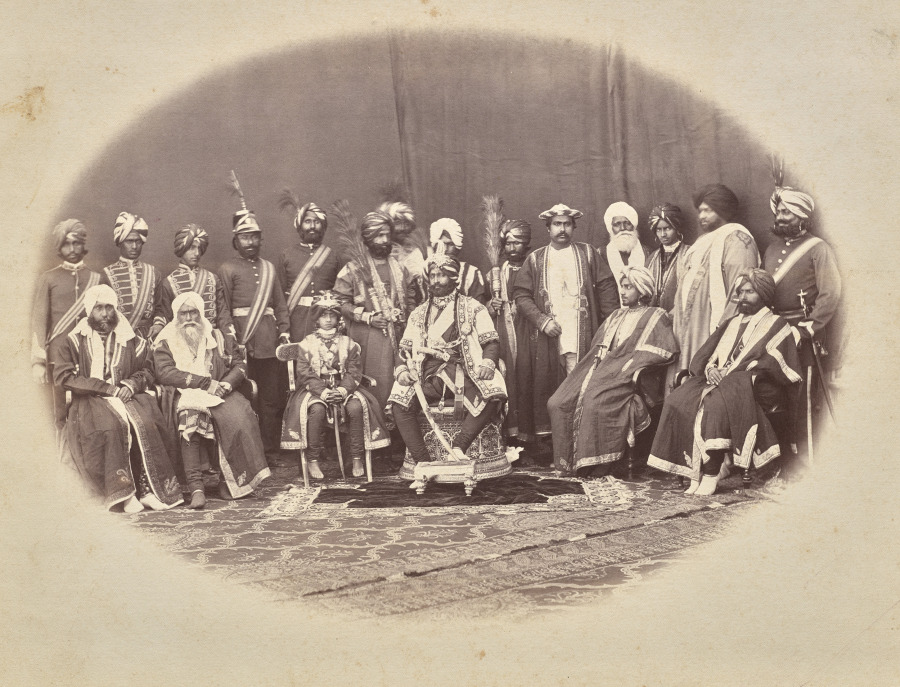 ↗
Bourne & Shepherd
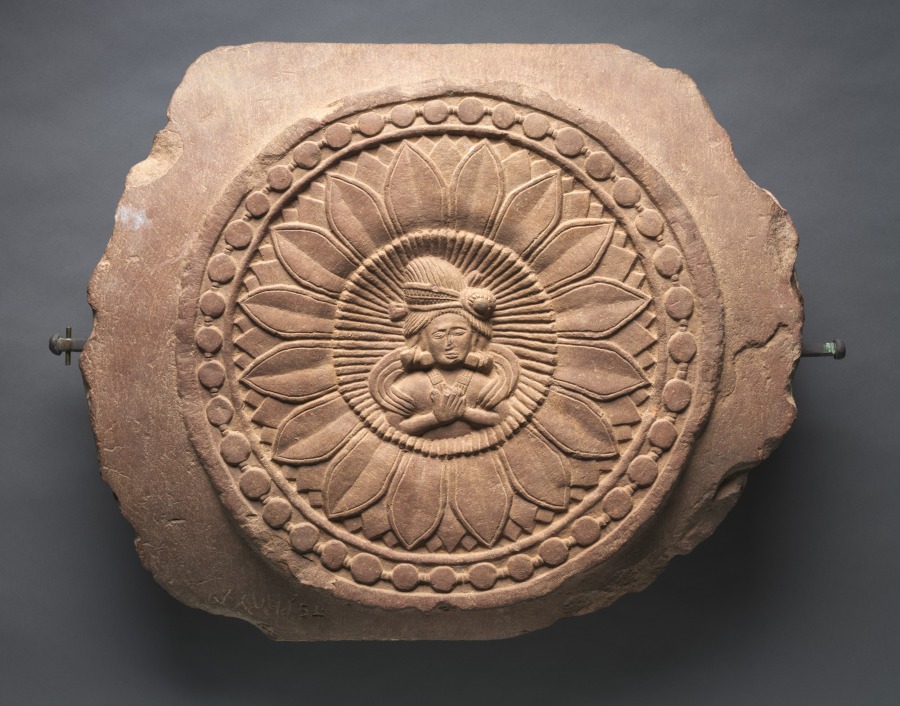 ↗
Creator not recorded