 ↗
Japan, Edo period (1615–1868) · late 1790s
Cherry Blossoms in the Wind
Utagawa Toyokuni
#BBB4A6#CBC3B0#A29481#C4BEAB#C9C0AC#CFC8B4Estimated from six colour groups in the museum image, including visible paper or borders. Reproduction and lighting affect the result; these are image-area proportions, not pigment measurements.
Bequest of Muriel Butkin · The Cleveland Museum of Art
Image licence: CC0 · Museum record & image source ↗
Sheet of Studies is a representative work in our Paul Cezanne guide. The catalogue records graphite and pen and brown ink. Museum attribution. The linked artist guide places it alongside other works from the artist’s career.
Original educational overview · based on the linked museum recordThe study sheet makes exploratory drawing visible; the 1890 tower separates the landscape into strong horizontal relations; the late Sainte-Victoire links mountain and surrounding space through colour patches. Compare line, exposed support and the edges between planes. The later oil paintings construct depth without smoothing away every visible decision.
Artist-wide context; individual works may differ.
Drawing and oil painting remain complementary ways of testing form and placement.
Repeated contour adjustments and colour patches make depth without fully concealing the working process.
Warm and cool relationships construct planes; colour is structural, not simply a coating over outlines.
Start with what you can see: shapes, surface, colour and scale. How might the listed materials affect the way this object was made and experienced?
Looking prompt · an invitation to observe, not a historical interpretation.↗Utagawa Toyokuni
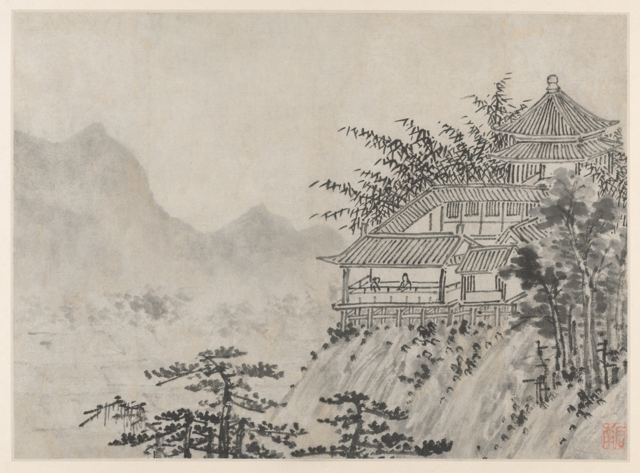 ↗
Shen Zhou
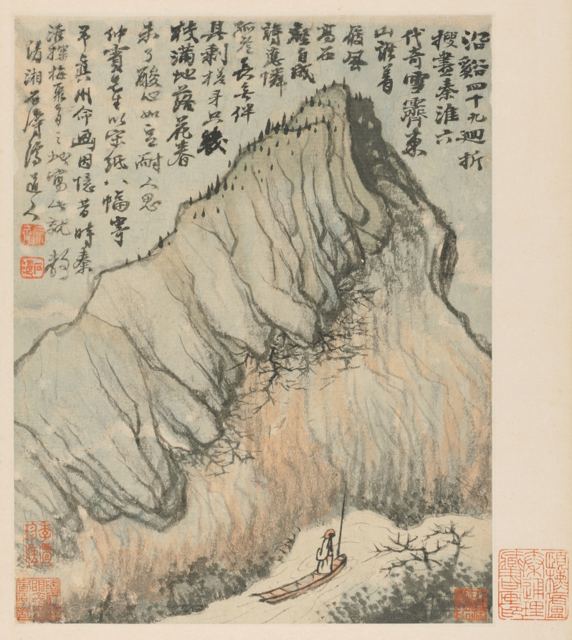 ↗
Shitao
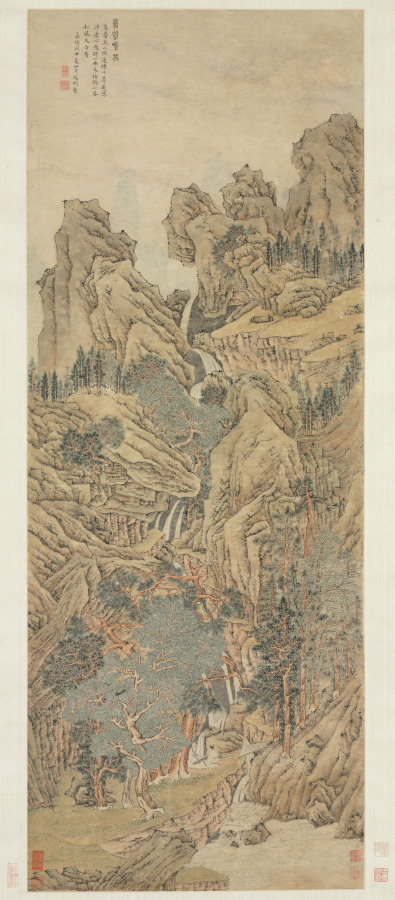 ↗
Wen Zhengming