 ↗
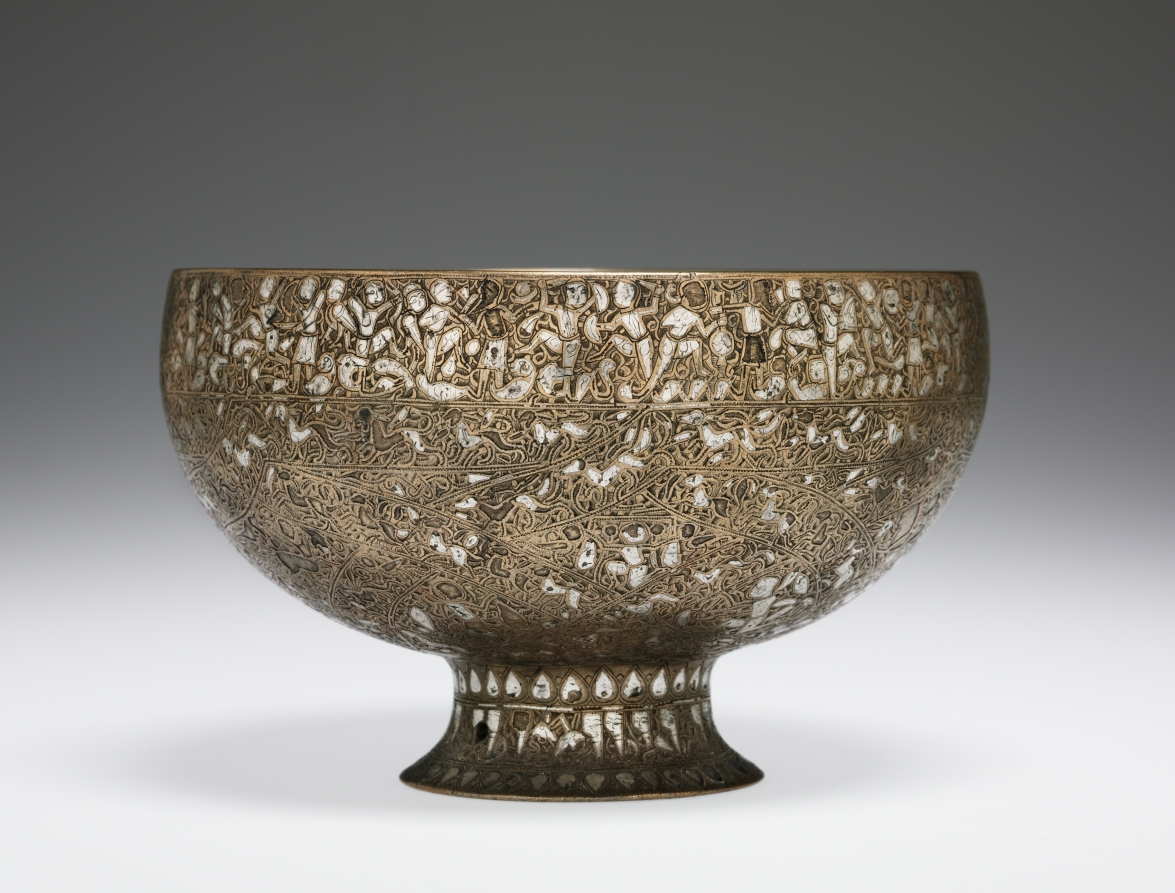
Iran, Seljuq period of Iran (1037–1194) · 1200–1221
The Wade Cup with Animated Script
Creator not recorded
Bequest of Charles Maurer · The Cleveland Museum of Art
Image licence: CC0 · Museum record & image source ↗
Louis Comfort Tiffany was among those who championed lush, sometimes wild-looking displays of varied species in the garden at his Long Island estate, Laurelton Hall. He encouraged his designers to take inspiration from his garden by shipping fresh cuttings almost weekly to his studios. Ohio native Clara Wolcott Driscoll and her team of female designers created floral and leafy patterns for lamps and mosaics that became among the most sought after and commercially successful of Tiffany’s production.
Collection text · The Cleveland Museum of Art · CC0Compare woodbine, wisteria and peony designs around 1900–10. Glass colour depends on transmitted light, opacity and the selected pieces rather than a painted palette. Their overlapping dates do not prove chronological phases. Preserve “probably by” where used by the museum, and distinguish Driscoll’s design from the workshop’s manufacture.
Artist-wide context; individual works may differ.
Leaded glass combines selected pieces, cut edges and metal frameworks through collaborative production.
Botanical motifs follow the curved object; metal divisions participate in the visual pattern.
Transmitted light, opacity and glass variation create colour; a lamp’s palette changes with illumination.
Start with what you can see: shapes, surface, colour and scale. How might the listed materials affect the way this object was made and experienced?
Looking prompt · an invitation to observe, not a historical interpretation.↗Creator not recorded
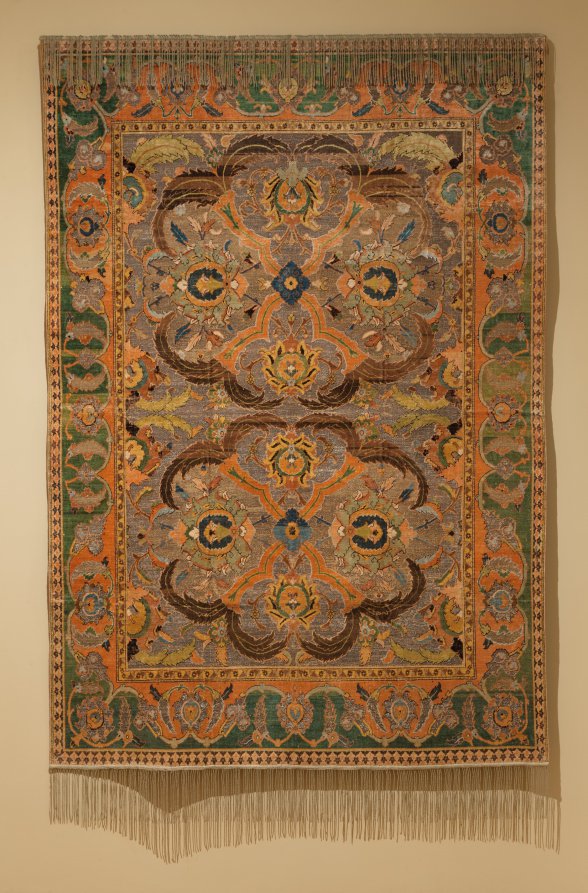 ↗
Creator not recorded
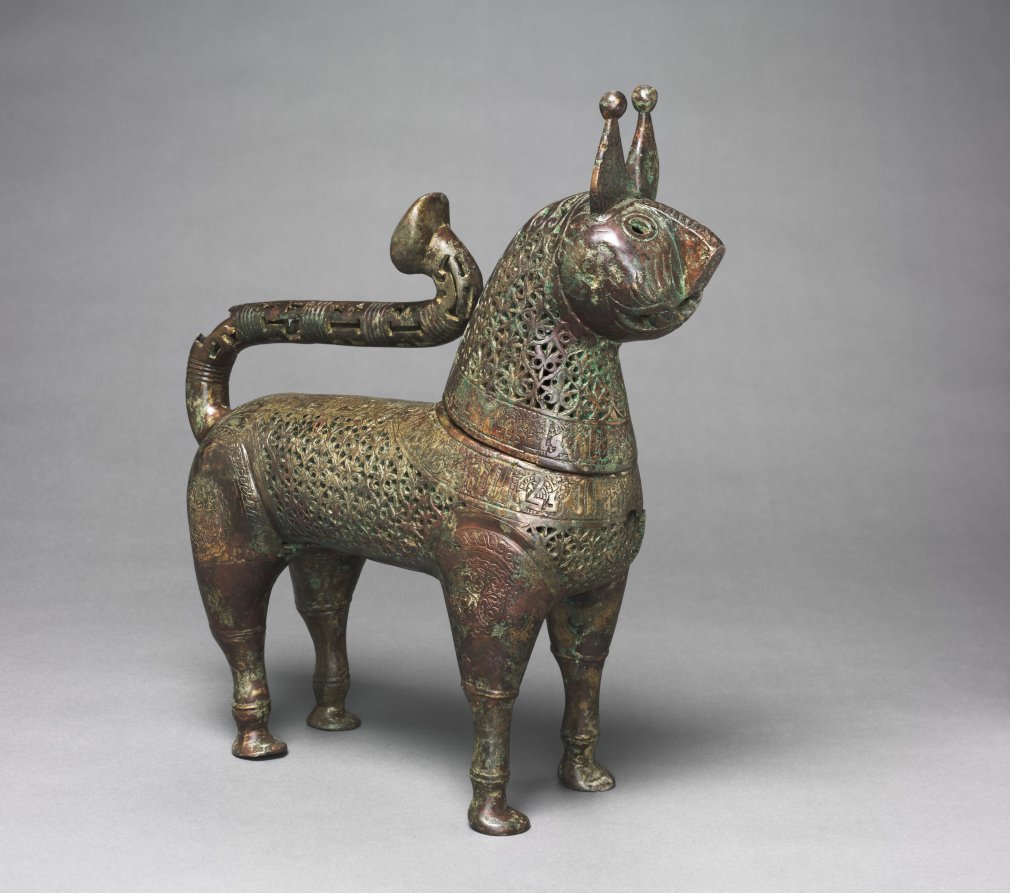 ↗
Creator not recorded
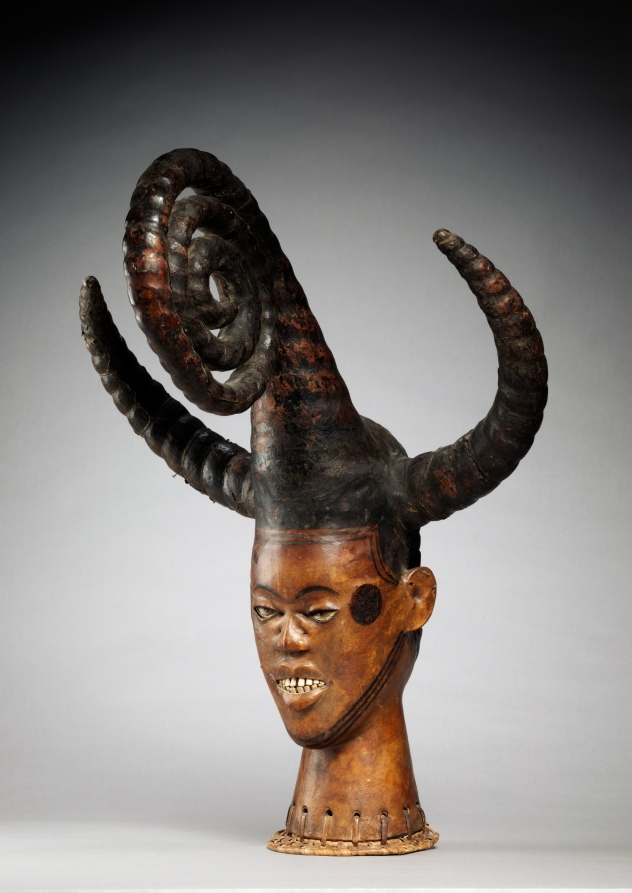 ↗
Creator not recorded