 ↗
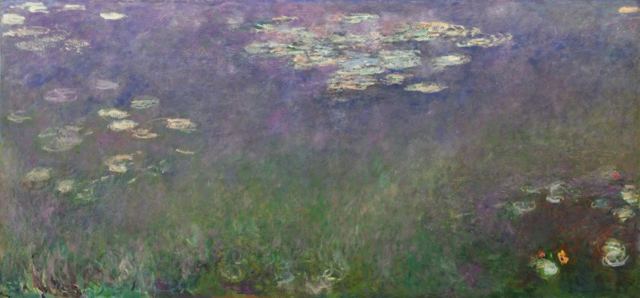
France, late 19th century-early 20th century · c. 1915–26
Water Lilies (Agapanthus)
Claude Monet
Image not displayed
Read the artwork notes and catalogue information.Church of San Nicolò dei Tolentini, Venice · Catalogue source ↗ · Image policy ↗
This funerary monument is discussed in the Met’s Parodi catalogue essay. Its architectural setting matters to its function as a memorial. The cited page is supporting scholarship, rather than a separate catalogue record for the tomb.
Original educational overview · based on the linked museum recordCompare the intimate marble Sleeping Christ with the carved, varnished and gilt Bacchus and the later funerary monument. White stone, treated wood and architectural scale create different experiences of flesh and movement. Bacchus is catalogued with workshop participation; the museum’s discussion of the tomb supplies context rather than a complete object record.
Artist-wide context; individual works may differ.
Marble, treated wood and architectural ensembles require different carving and workshop processes.
Projecting limbs and animated drapery invite viewing from multiple angles.
White stone, varnish and gilding produce different kinds of reflected light and apparent warmth.
Start with what you can see: shapes, surface, colour and scale. How might the listed materials affect the way this object was made and experienced?
Looking prompt · an invitation to observe, not a historical interpretation.