 ↗
France, late 19th century-early 20th century · c. 1915–26
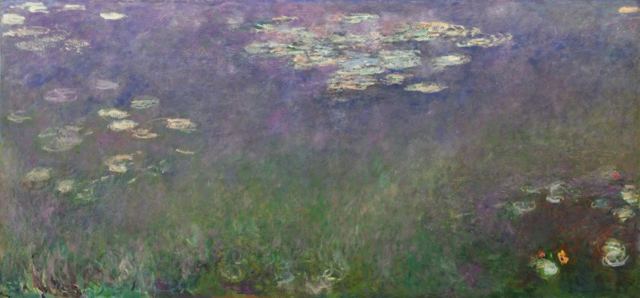
Water Lilies (Agapanthus)
Claude Monet
#CDB999#D1BFA1#CBB08B#C3AE8E#B19B7B#E0D3BAEstimated from six colour groups in the museum image, including visible paper or borders. Reproduction and lighting affect the result; these are image-area proportions, not pigment measurements.
Gift of Jane Iglauer Fallon in memory of Harold Fallon · The Cleveland Museum of Art
Image licence: CC0 · Museum record & image source ↗
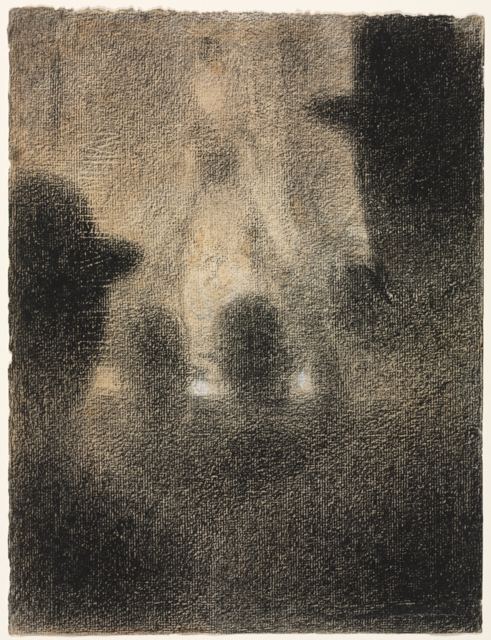
In 1919, Sargent exhibited a large painting at the Royal Academy of Art in London called Gassed. The Dressing Station at Le Bac and on the Doullers-Arras Road. The British War Memorial Committee had commissioned the work from him as a way of honoring the sacrifices of World War I. The subject was based on a scene the artist actually witnessed during his visit to battlefields in France in 1918. This drawing is a study for one of the soldiers in the painting, which now hangs in the Imperial War Museum in London.
Collection text · The Cleveland Museum of Art · CC0Compare the 1898 society portrait with the sunlit watercolour patio and the 1918–19 soldier studies. Oil permits rich, continuous modelling; watercolour makes reserved light and flowing washes conspicuous; graphite and charcoal concentrate on pose. These examples show changing purposes alongside changing materials, rather than portraiture simply giving way to landscape.
Artist-wide context; individual works may differ.
Oil portraits, travel watercolours and figure drawings serve distinct commissions and working purposes.
Economical, assured marks can suggest fabric or bodily weight without detailing every edge.
Contrasts of bright light and shadow organise surfaces; watercolour often preserves the paper’s luminosity.
Start with what you can see: shapes, surface, colour and scale. How might the listed materials affect the way this object was made and experienced?
Looking prompt · an invitation to observe, not a historical interpretation.