 ↗
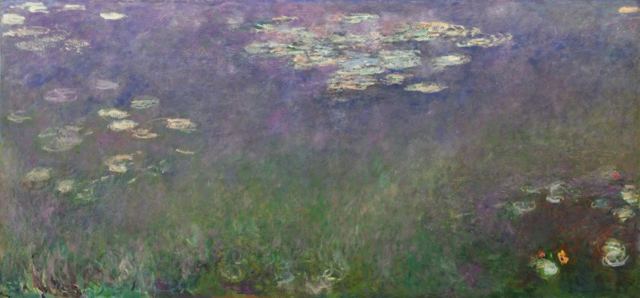
France, late 19th century-early 20th century · c. 1915–26
Water Lilies (Agapanthus)
Claude Monet
#92846A#6C6351#9B8D72#A69579#A19074#C2BAA4Estimated from six colour groups in the museum image, including visible paper or borders. Reproduction and lighting affect the result; these are image-area proportions, not pigment measurements.
Bequest of Muriel Butkin · The Cleveland Museum of Art
Image licence: CC0 · Museum record & image source ↗
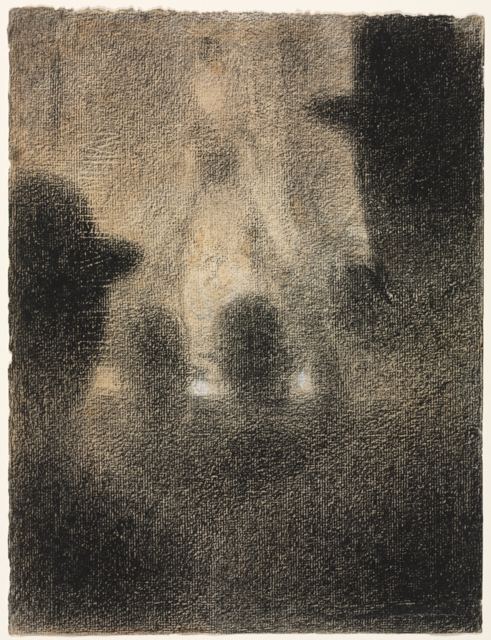
Cassatt exhibited prints for the first time in 1880 at the fifth Impressionist exhibition. As the decade progressed, she continued to show her graphic work alongside pastels and paintings. In the spring of 1890, at the Deuxième Exposition de Peintres-Graveurs, she showed a group of drypoints, remarkable in their delicacy and precision, as well as a group of prints made with a combination of aquatint and softground etching that appeared quickly drawn and spontaneous. After-Dinner Coffee is a study for a softground etching with aquatint.
Collection text · The Cleveland Museum of Art · CC0The graphite study, colour print In the Omnibus and later pastel After the Bath show three ways to organise intimate encounters. Compare line against broad colour areas and the softer or more broken texture of pastel. The shift in medium changes surface and reproducibility, not simply the emotional seriousness of the subject.
Artist-wide context; individual works may differ.
Graphite, colour intaglio prints and pastel create sharply different textures and degrees of reproducibility.
Strong cropping and clear contours organise intimate relationships without elaborate narrative scenery.
Broad colour areas and patterned surfaces coexist with the softer, broken colour of pastel.
Start with what you can see: shapes, surface, colour and scale. How might the listed materials affect the way this object was made and experienced?
Looking prompt · an invitation to observe, not a historical interpretation.