 ↗
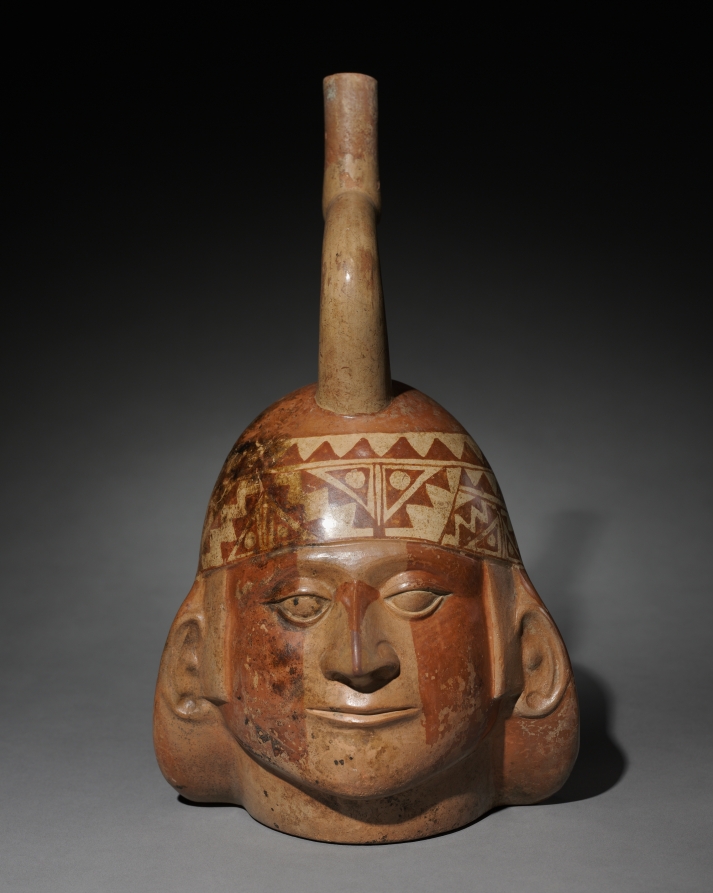
Peru, North Coast, Moche style · 200–550 CE
Portrait Head Vessel
Creator not recorded
Dudley P. Allen Fund · The Cleveland Museum of Art
Image licence: CC0 · Image policy · Museum record & image source ↗
Creator not recorded by the museum
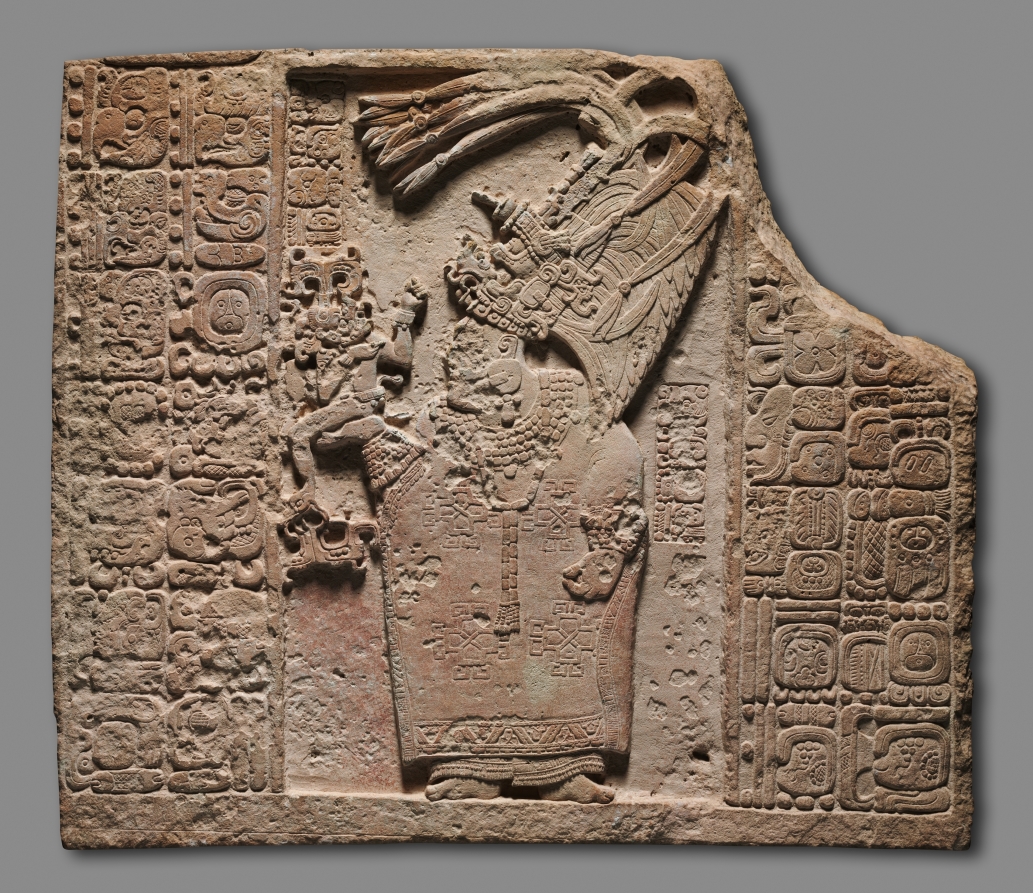
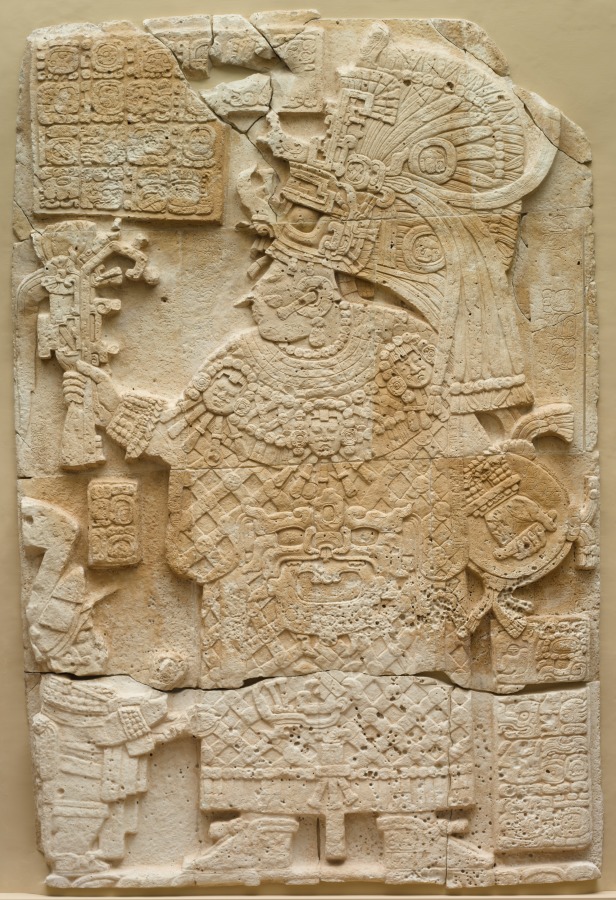
A plaque makes a scene legible at limited depth. Study the overlap that places one form ahead of another before reading the subject.
Site interpretation and practical exercises. Historical and technical evidence is linked below.
Sources for context The Cleveland Museum of Art ↗
Read alongside
These plaques showing a powerful Chavín deity may come from a group of gold objects found in a lavish tomb in the 1920s. One is shaped as the deity’s fanged head, its fur transformed into sixteen serpents that edge the plaque. On the other, the deity’s visually elusive body also appears: the clawed hands over the chest may clutch a horizontal staff, an emblem of authority; across the waist is a belt that sprouts serpents; and beneath are the legs and feet, which stand atop fanged masks.
Collection text · The Cleveland Museum of Art · CC0↗Creator not recorded
 ↗
Creator not recorded
 ↗
Creator not recorded
 ↗
Creator not recorded