 ↗
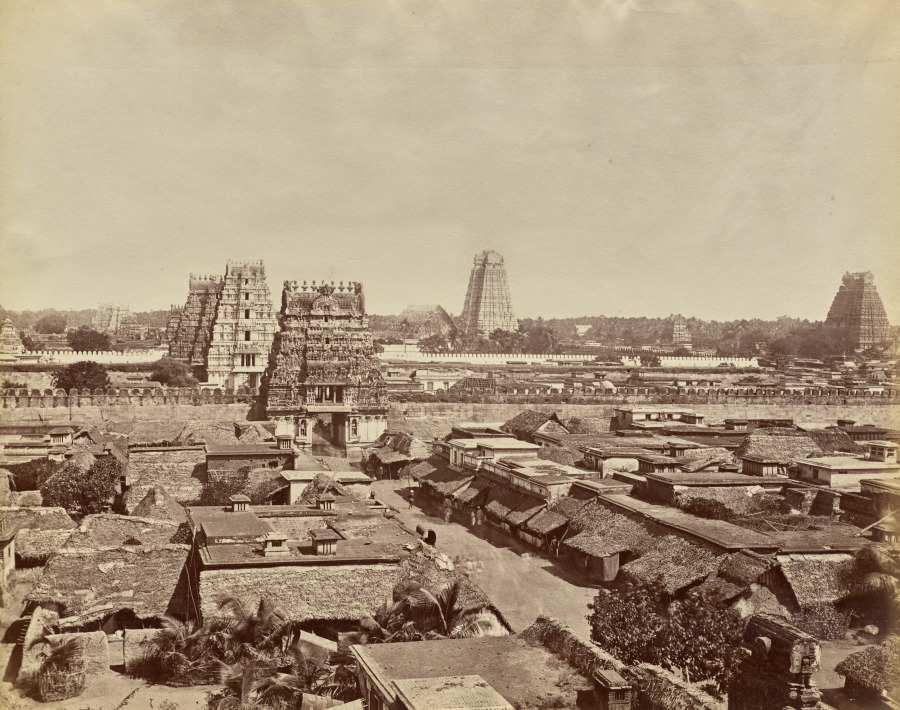
India · 1878
View from the Top of the Rock, looking over the native Town, Trichinopoly, India
Nicholas & Co.
Gift of Mr. and Mrs. Severance A. Millikin · The Cleveland Museum of Art
Image licence: CC0 · Image policy · Museum record & image source ↗
Creator not recorded by the museum
A lotus rhizome winds along the rail with scenes in the intervals. The sculptor used the connecting stem to carry an eye between episodes, much as the rail carried a visitor along an enclosure.
A coping rail belongs above other architectural parts. Sketch the line it would make if extended past the fracture; the fragment then reads as a boundary people once moved beside.
Site interpretation and practical exercises. Historical and technical evidence is linked below.
Sources for context The Cleveland Museum of Art ↗
Read alongside
A coping rail is the top portion of a fence that connects the upright posts. Here, an undulating lotus rhizome blossoms with jewelry, and in the spaces between are scenes from two of the Buddha's past lives. At the left, a man catches and kills a lizard to eat it, and then lies about its running off (Godha Jataka); at the right an ascetic performs a Vedic fire sacrifice (possibly the Rajovada Jataka).
Collection text · The Cleveland Museum of Art · CC0↗Nicholas & Co.
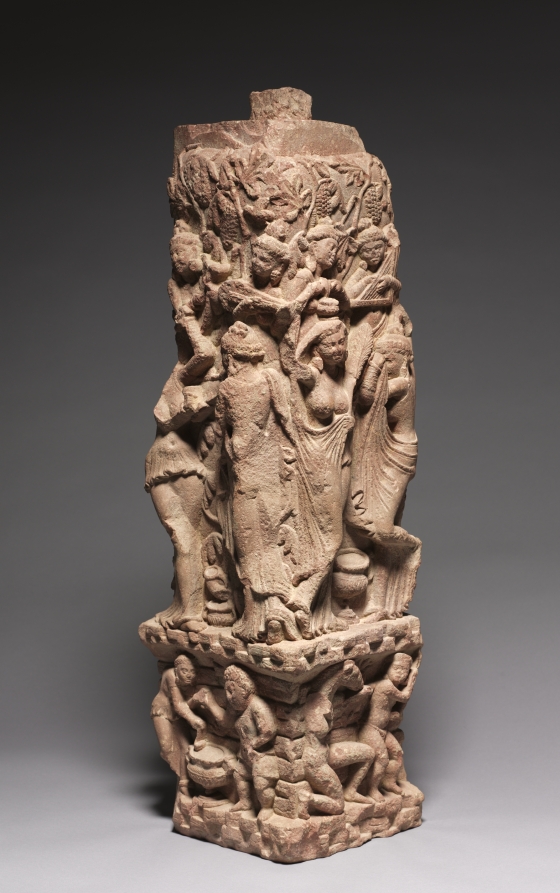 ↗
Creator not recorded
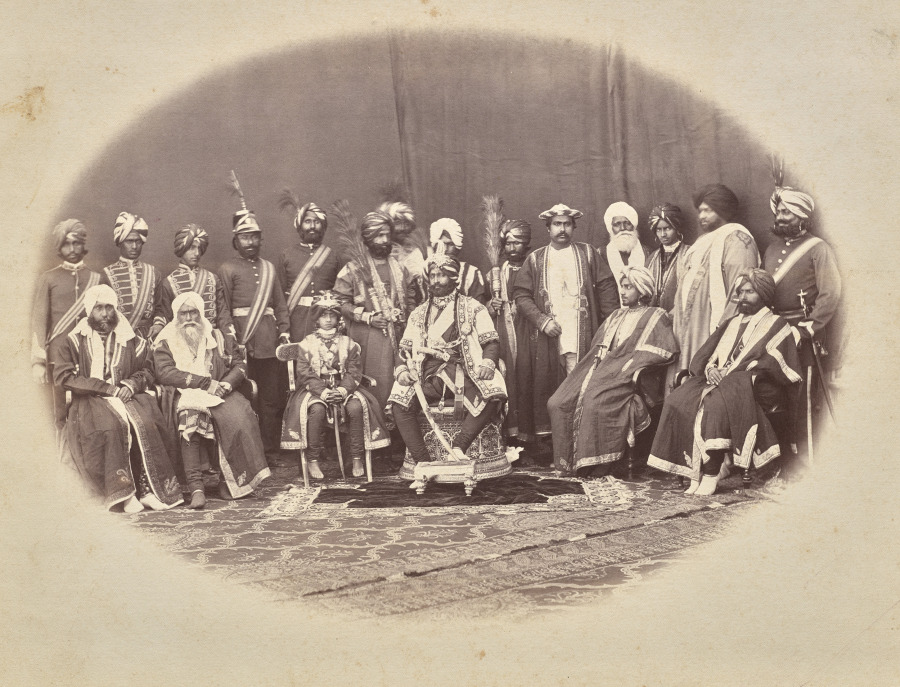 ↗
Bourne & Shepherd
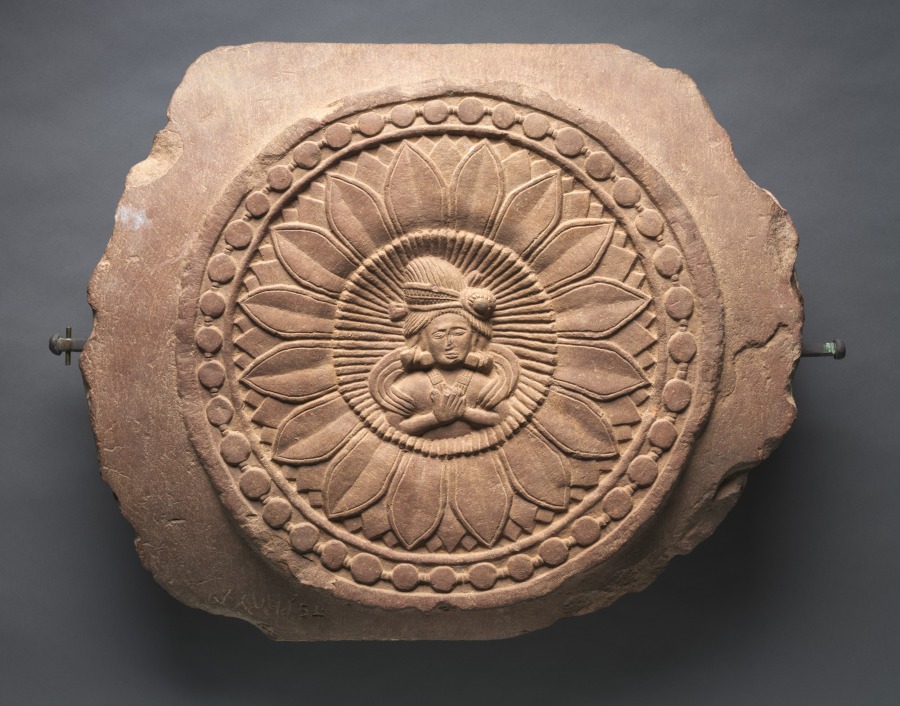 ↗
Creator not recorded