 ↗
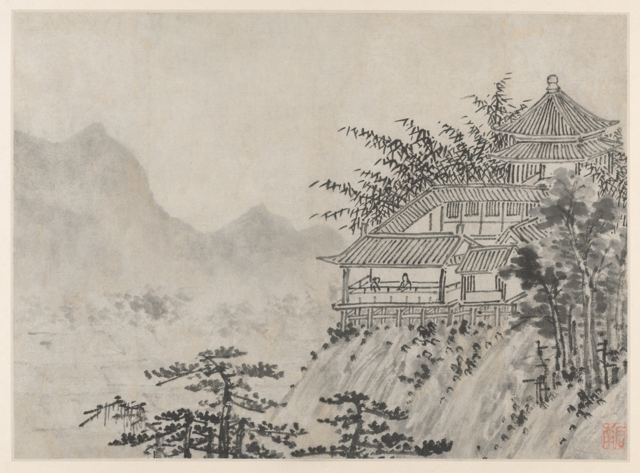
China, Ming dynasty (1368–1644) · after 1490
The Thousand Acres of Clouds, from Twelve Views of Tiger Hill, Suzhou
Shen Zhou
#DEC09E#887660#DABD9B#B49D7F#C9AF8F#E8D1B1Estimated from six colour groups in the museum image, including visible paper or borders. Reproduction and lighting affect the result; these are image-area proportions, not pigment measurements.
Gift of Mr. and Mrs. Ralph King · The Cleveland Museum of Art
Image licence: CC0 · Image policy · Museum record & image source ↗
A numbered dancer belongs to a sequence of investigations. Isolate one weight-bearing foot or supporting contour and ask what change would make a second variant necessary.
Site interpretation and practical exercises. Historical and technical evidence is linked below.
Sources for context The Cleveland Museum of Art ↗
Read alongside
The lifted leg and tilted head make the dancer’s balance more important than a fully described setting. Long edges hold the body together, while denser marks gather around it. The contrast gives the figure weight without turning every part into an evenly shaded surface.
Site study note · based on the linked catalogueExplore the artist’s life and works ↗
Although Whistler is known for prints, this catalogue record identifies an ink drawing. Compare its direct marks with the printed lines of Two Doorways: similar-looking black marks can result from different processes. The title does not by itself identify the sitter or a particular performance, so those details should remain open.
Site study note · catalogue facts and visual interpretation
Check the museum record ↗↗Shen Zhou
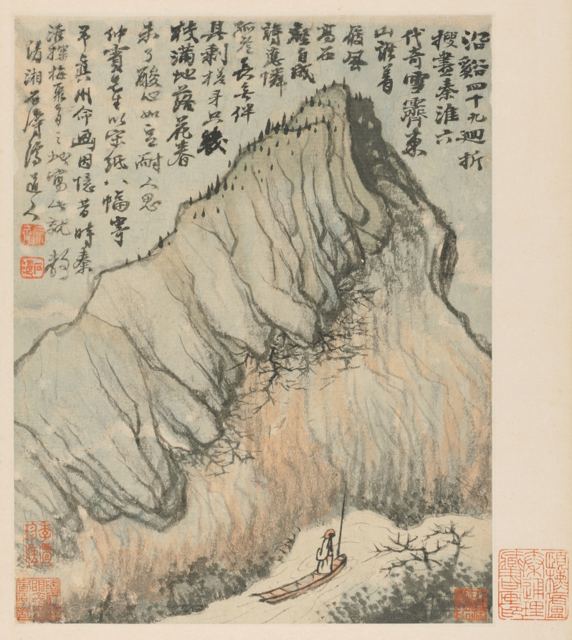 ↗
Shitao
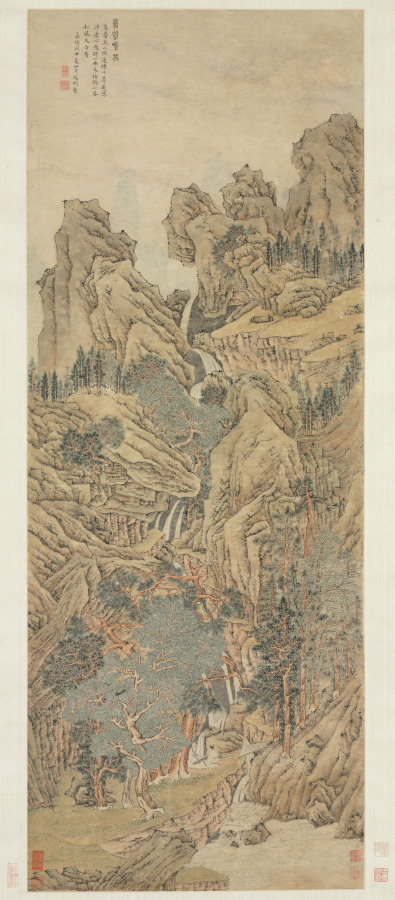 ↗
Wen Zhengming
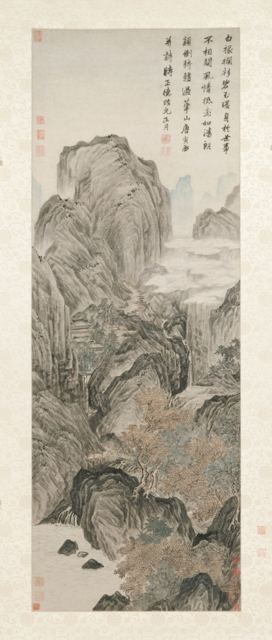 ↗
Tang Yin