 ↗
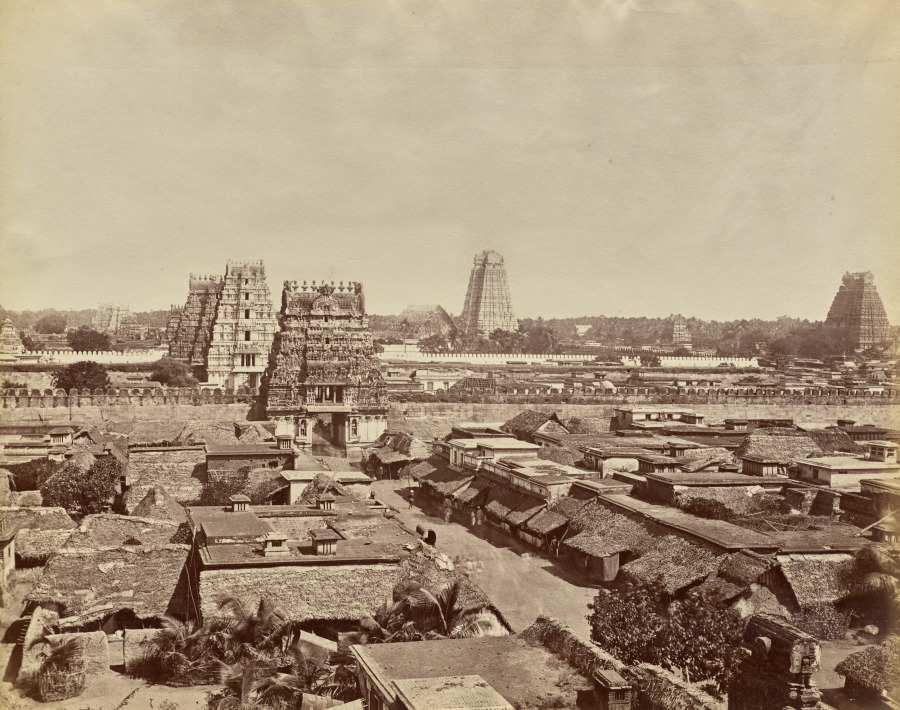
India · 1878
View from the Top of the Rock, looking over the native Town, Trichinopoly, India
Nicholas & Co.
John L. Severance Fund · The Cleveland Museum of Art
Image licence: CC0 · Image policy · Museum record & image source ↗
Creator not recorded by the museum
Four ibex give the eye a reason to travel around the jar. Which horn or body provides the handoff from the visible animal to the one turning out of sight?
Site interpretation and practical exercises. Historical and technical evidence is linked below.
Sources for context The Cleveland Museum of Art ↗
Read alongside
Large numbers of ceramic vessels decorated with black slip have been found among the sophisticated urban settlements of South Asia's protohistoric Indus Valley civilization. The walls of this jar are so thin that it must have been created on a potter's wheel.The four male ibex have two curving horns of exaggerated length, and three hairs under the chin.
Collection text · The Cleveland Museum of Art · CC0↗Nicholas & Co.
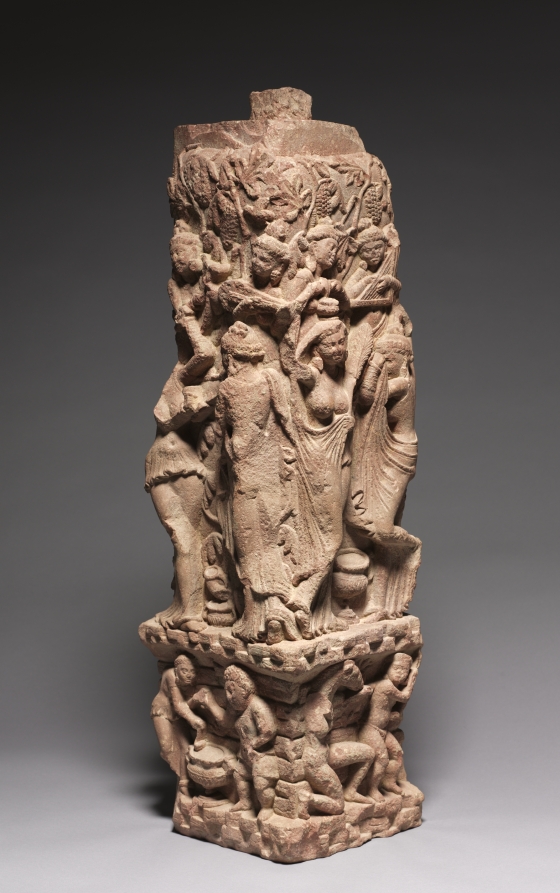 ↗
Creator not recorded
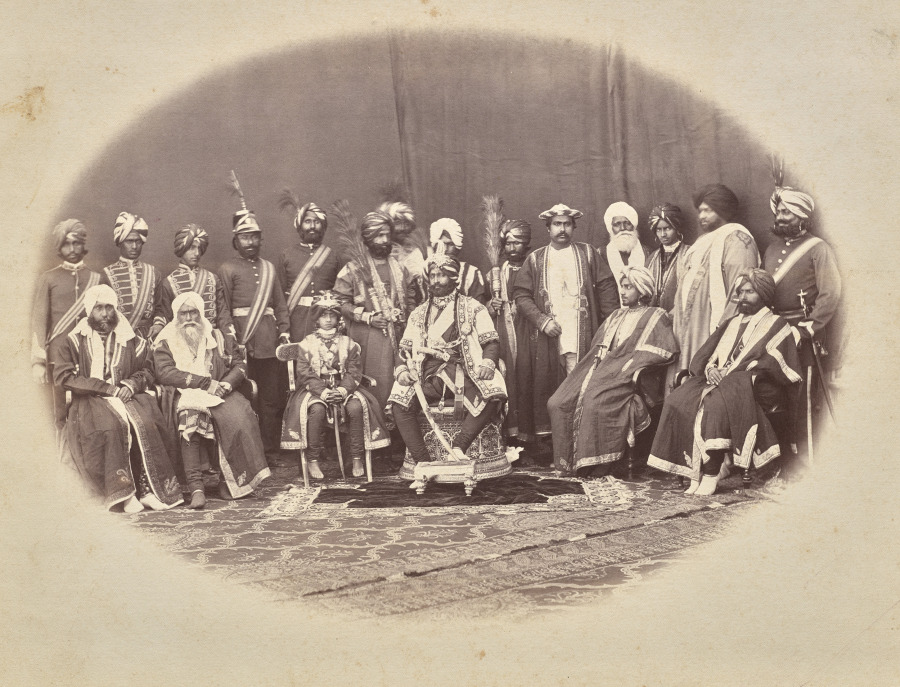 ↗
Bourne & Shepherd
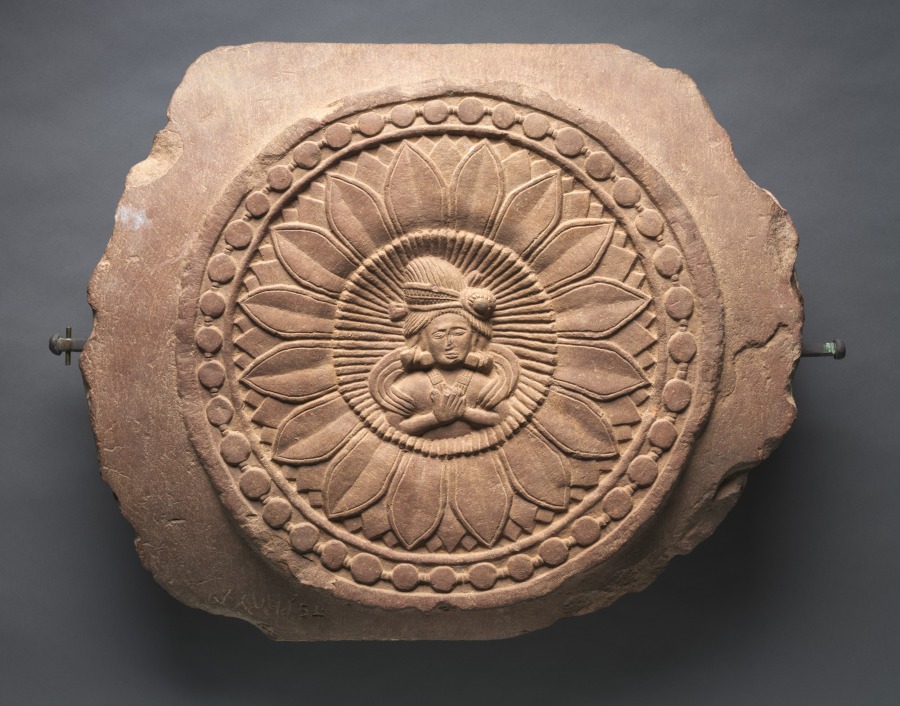 ↗
Creator not recorded