 ↗
China, Ming dynasty (1368–1644) · after 1490
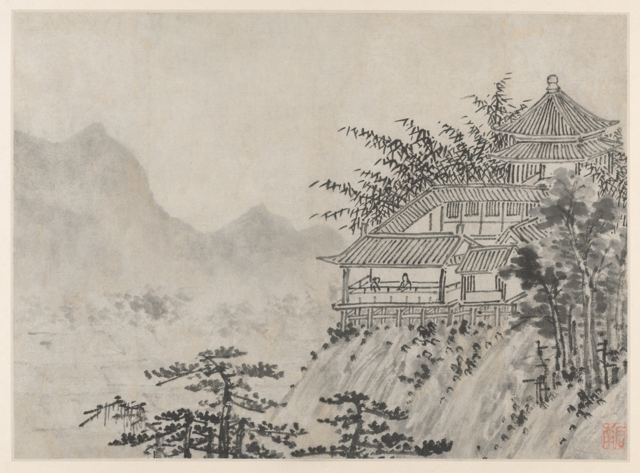
The Thousand Acres of Clouds, from Twelve Views of Tiger Hill, Suzhou
Shen Zhou
#A79480#B5A694#8E7B68#AD9D8A#B1A08D#D0C9BEEstimated from six colour groups in the museum image, including visible paper or borders. Reproduction and lighting affect the result; these are image-area proportions, not pigment measurements.
Purchase from the J. H. Wade Fund · The Cleveland Museum of Art
Image licence: CC0 · Image policy · Museum record & image source ↗
Recto and verso stage different encounters. Compare the physical reversal of a sheet with the reversal from conflict to reconciliation suggested by its subjects.
Site interpretation and practical exercises. Historical and technical evidence is linked below.
Sources for context The Cleveland Museum of Art ↗
Read alongside
The long title describes more than one subject because the sheet has drawings on both sides. ‘Recto’ means front and ‘verso’ means back. The Roman and Sabine reconciliation belongs to one side; Venus, Mars and a drapery study belong to the other. They should not be described as one continuous painted scene.
Site study note · based on the linked catalogueExplore the artist’s life and works ↗
Pen and brown ink establish lines, while grey and brown washes can group figures or suggest shadows. The wide sheet makes arrangements across space especially important. Compare the role of a wash with a simple contour: one can join several forms into a tonal group while the other separates an edge. The catalogue does not make the sheet a finished oil painting.
Site study note · catalogue facts and visual interpretation
Check the museum record ↗↗Shen Zhou
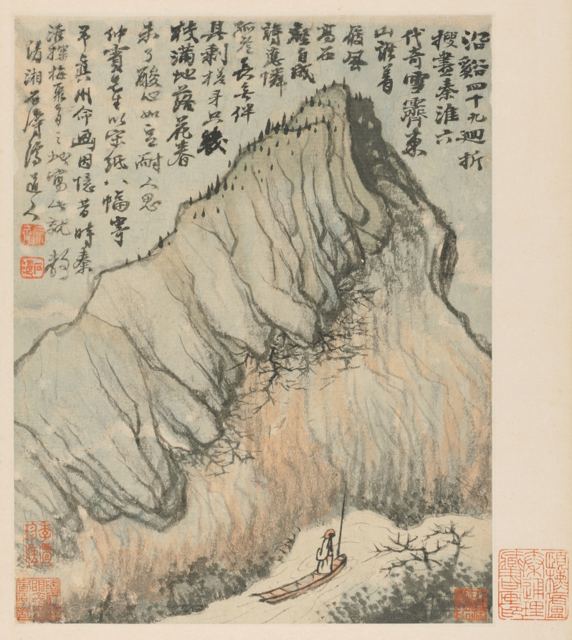 ↗
Shitao
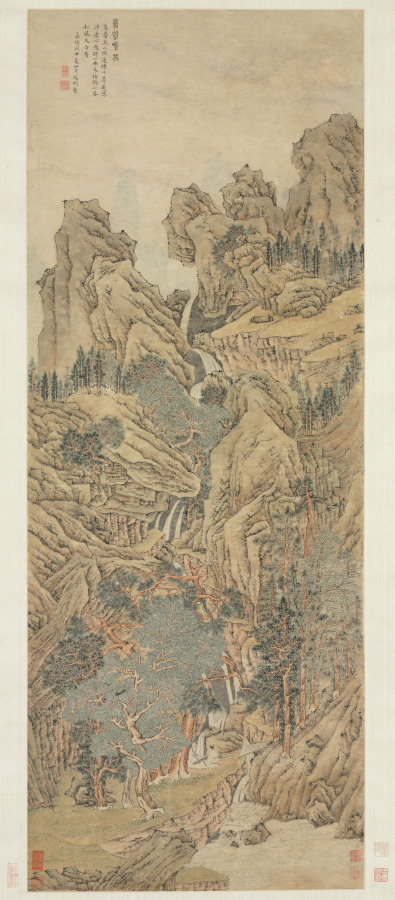 ↗
Wen Zhengming
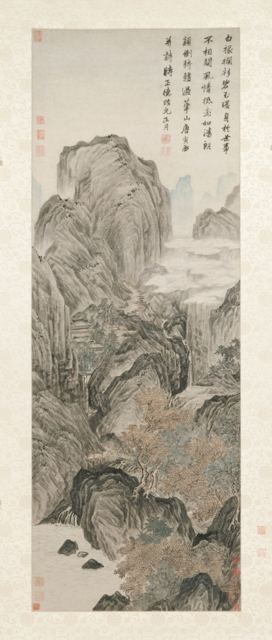 ↗
Tang Yin