 ↗
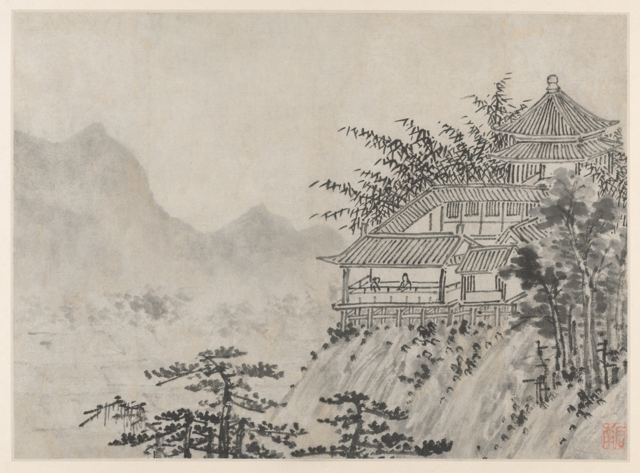
China, Ming dynasty (1368–1644) · after 1490
The Thousand Acres of Clouds, from Twelve Views of Tiger Hill, Suzhou
Shen Zhou
#878173#E9DCC8#DED1BD#ADA393#C5B9A7#F0E5D0Estimated from six colour groups in the museum image, including visible paper or borders. Reproduction and lighting affect the result; these are image-area proportions, not pigment measurements.
Gift of The Print Club of Cleveland · The Cleveland Museum of Art
Image licence: CC0 · Image policy · Museum record & image source ↗
Follow the window light as far as the sewing hands. Compare the margin's working note with the exact place where the repaired cloth needs to be seen.
Site interpretation and practical exercises. Historical and technical evidence is linked below.
Sources for context The Cleveland Museum of Art ↗
Read alongside
Camille Pissarro used the French countryside and its inhabitants as the subject of his art throughout his career. He frequently depicted women sewing, often outdoors or seated beside a window, as seen in this drawing. He indicated the effects of natural light illuminating his subject with the notation "lumière" at the left margin of the drawing.
Collection text · The Cleveland Museum of Art · CC0Pissarro wrote a reminder about the light in the margin of this drawing. That makes the sheet feel like a working decision you can retrace. Look at the woman sewing by the window and distinguish two ways of making light: leaving paper uncovered and adding opaque white over a darker passage. Try both on one scrap of paper.
Site study note · catalogue facts and visual interpretation
Check the museum record ↗↗Shen Zhou
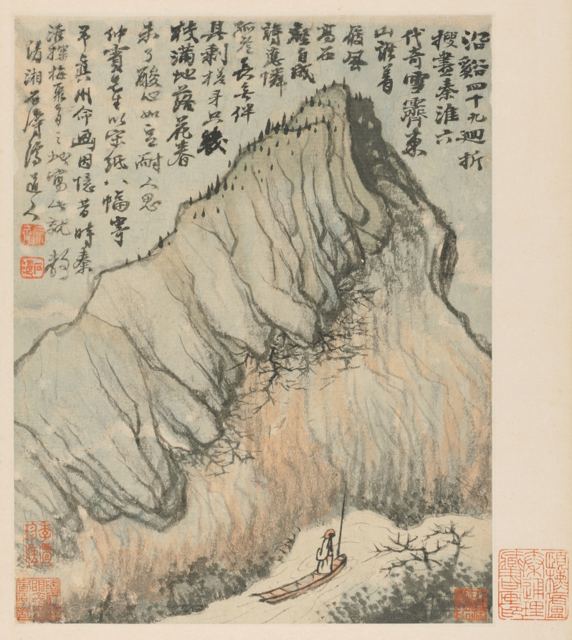 ↗
Shitao
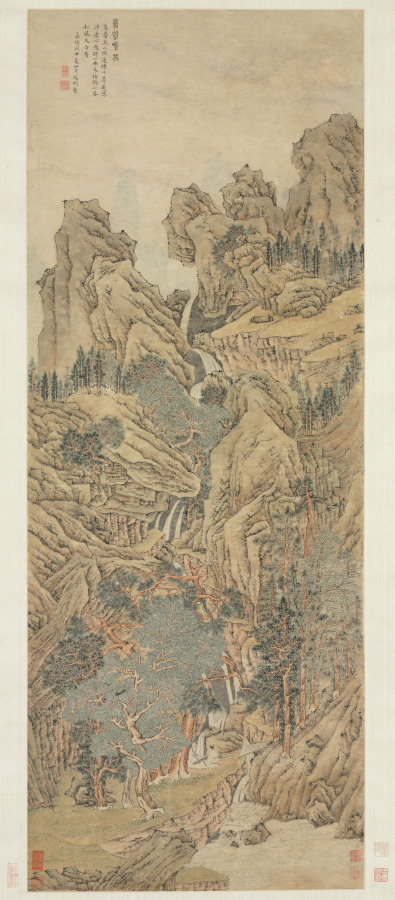 ↗
Wen Zhengming
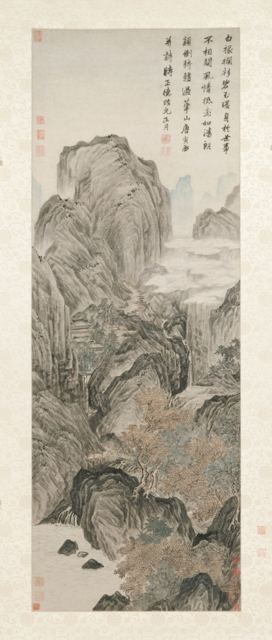 ↗
Tang Yin