 ↗
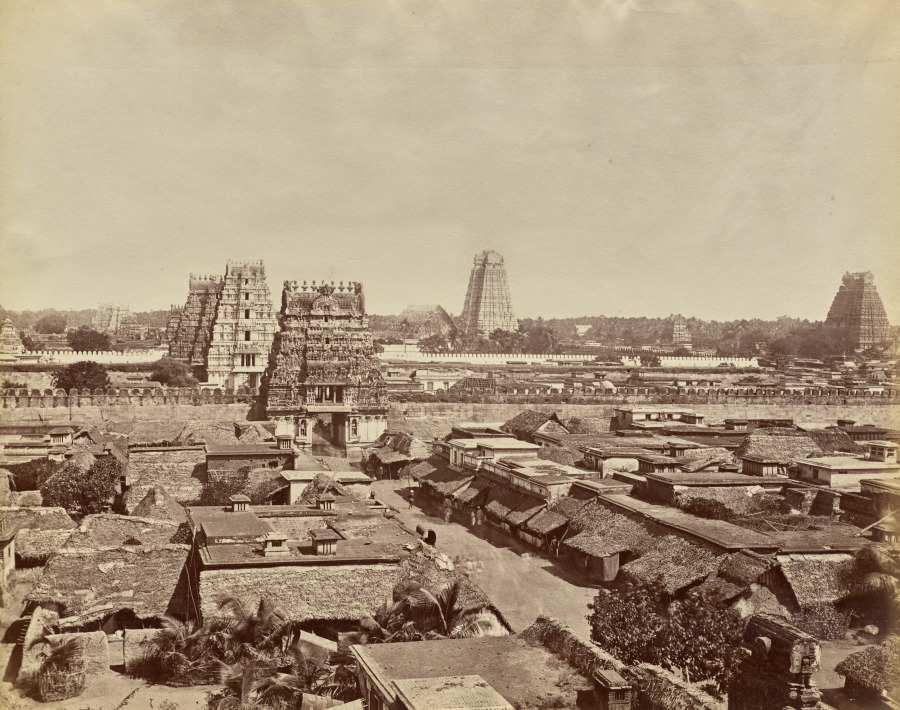
India · 1878
View from the Top of the Rock, looking over the native Town, Trichinopoly, India
Nicholas & Co.
#D3BF99#7D6852#C5A473#CBB793#8F956E#DAC792Estimated from six colour groups in the museum image, including visible paper or borders. Reproduction and lighting affect the result; these are image-area proportions, not pigment measurements.
Small, vivid details detected in the image. These areas are already included in the dominant groups above; their percentages are not added to the total.
#C56442≈ 2.23%Gift of William E. Ward in memory of his wife, Evelyn Svec Ward · The Cleveland Museum of Art
Image licence: CC0 · Image policy · Museum record & image source ↗
Creator not recorded by the museum
Jatayu's intervention interrupts the chariot's journey. Sketch its direction first, then add the bird's opposing movement; that crossing is already a skeleton for the story.
Site interpretation and practical exercises. Historical and technical evidence is linked below.
Sources for context The Cleveland Museum of Art ↗
Read alongside
With his colossal u-shaped beak and green wings, the ruler of the vultures, Jatayu, appears assured of victory against the multiheaded demon lord Ravana. This scene, the battle between Jatayu and Ravana, was especially subject to variation. In the Bengali Ramayana, Jatayu initially swallows Ravana—aerial chariot and all—but vomits the villain when he realizes Sita, the wife of his friend Rama, is also aboard. Later, Ravana fatally wounds Jatayu and takes Sita as his prisoner. Doing so sets in motion the events that lead to Ravana’s downfall at the hands of Rama, the only being capable of ending the demon’s reign.
Collection text · The Cleveland Museum of Art · CC0↗Nicholas & Co.
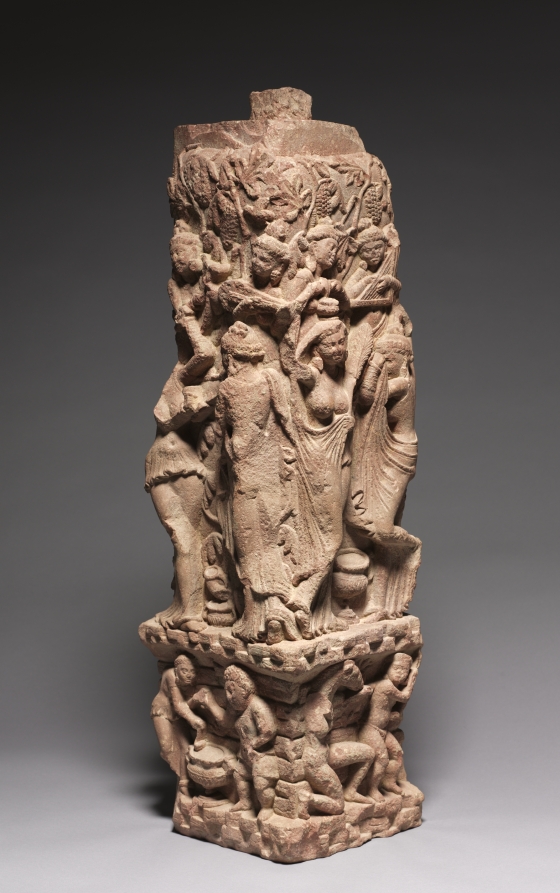 ↗
Creator not recorded
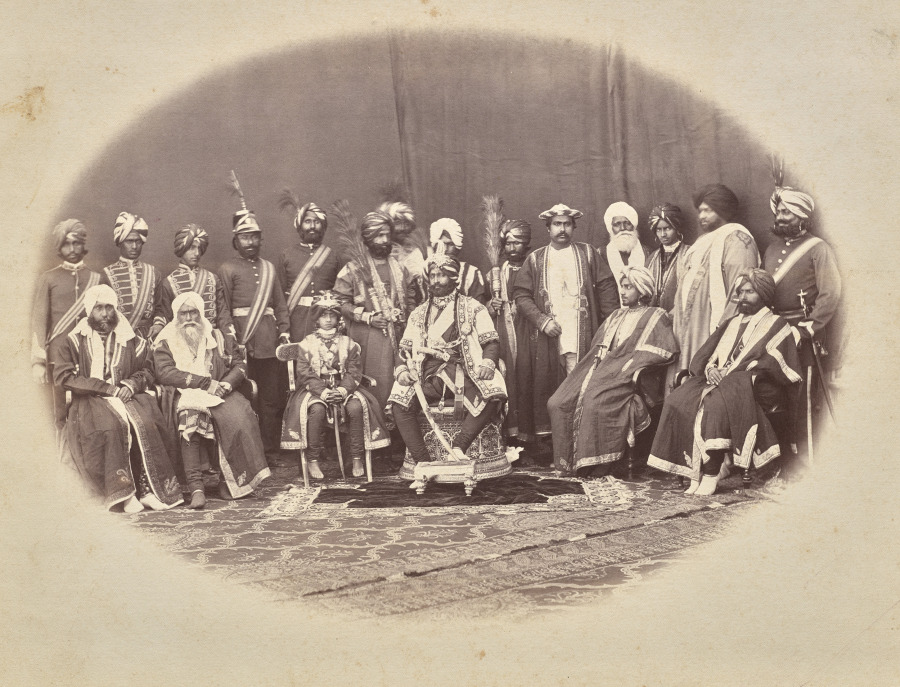 ↗
Bourne & Shepherd
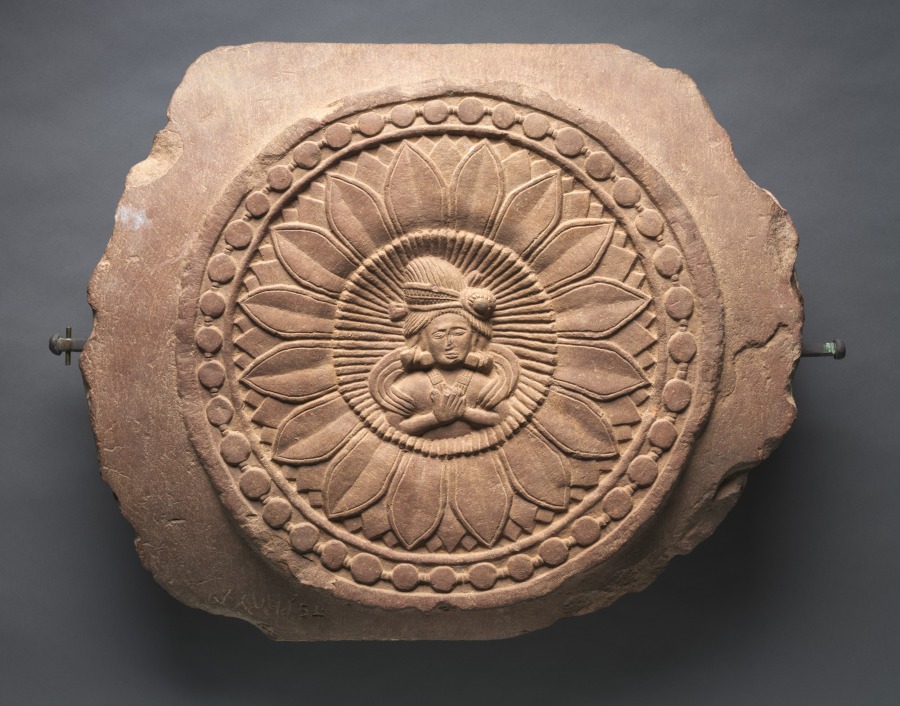 ↗
Creator not recorded