 ↗
China, Ming dynasty (1368–1644) · after 1490
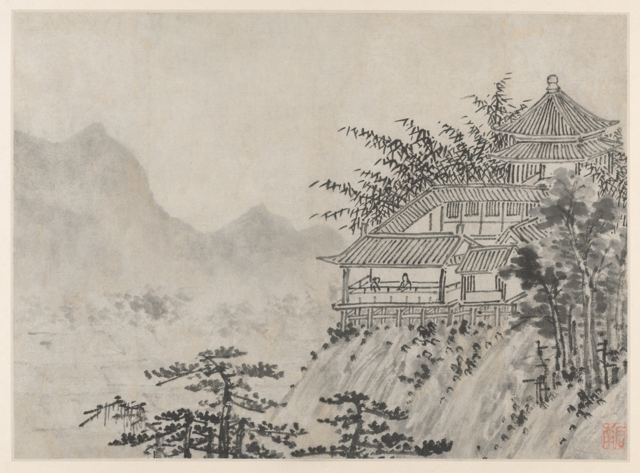
The Thousand Acres of Clouds, from Twelve Views of Tiger Hill, Suzhou
Shen Zhou
#6D685D#A0896A#D1B68B#B49F7B#DAC29A#9C6F54Estimated from six colour groups in the museum image, including visible paper or borders. Reproduction and lighting affect the result; these are image-area proportions, not pigment measurements.
Andrew R. and Martha Holden Jennings Fund · The Cleveland Museum of Art
Image licence: CC0 · Image policy · Museum record & image source ↗
Creator not recorded by the museum
A later image of Humayun's campaign gives a single encounter the weight of a larger conquest. Ask which details identify command and which merely register combat.
Site interpretation and practical exercises. Historical and technical evidence is linked below.
Sources for context The Cleveland Museum of Art ↗
Read alongside
In a battle that took place in 1555, the second Mughal emperor, Humayun, reconquered northern India from the Afghans with the help of Iranian military forces. His mounted figure stands out from the fray, with his golden helmet and red tunic silhouetted against a hillside in the upper center of the composition. To illustrate the beginning of hisown biography, Humayun’s son Akbar included this image of his father riding victoriously back to India. The scene never actually occurred in this way, since Humayun did not participate in this particular battle; his inclusion here is symbolic.
Collection text · The Cleveland Museum of Art · CC0↗Shen Zhou
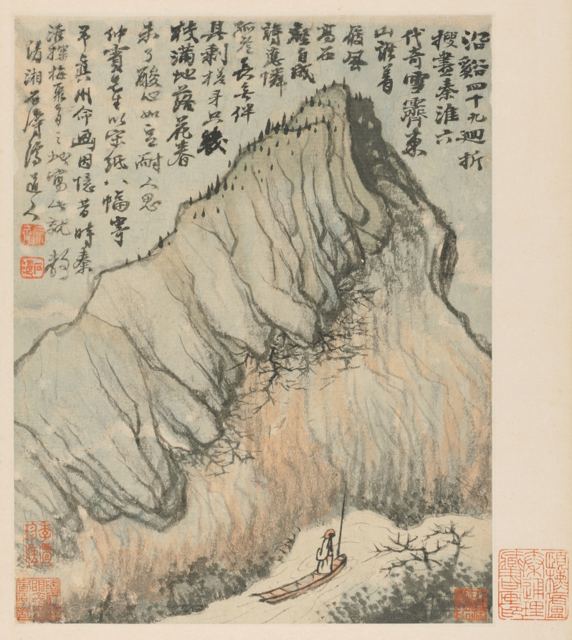 ↗
Shitao
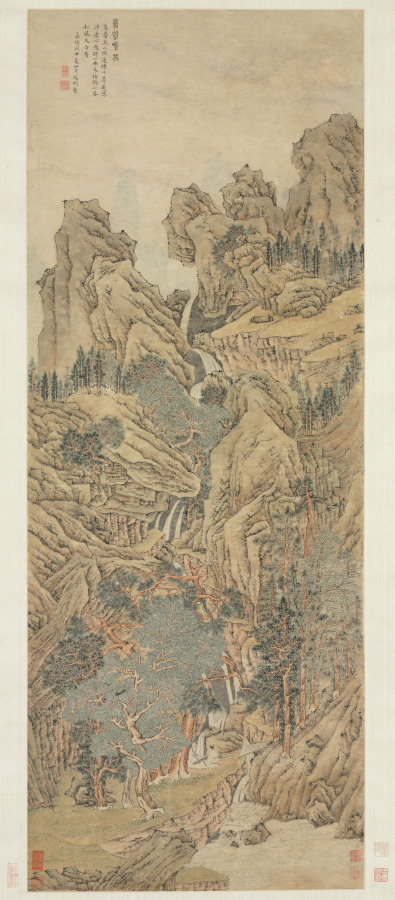 ↗
Wen Zhengming
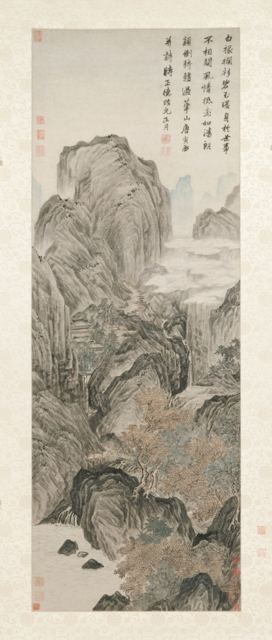 ↗
Tang Yin