 ↗
China, Ming dynasty (1368–1644) · after 1490
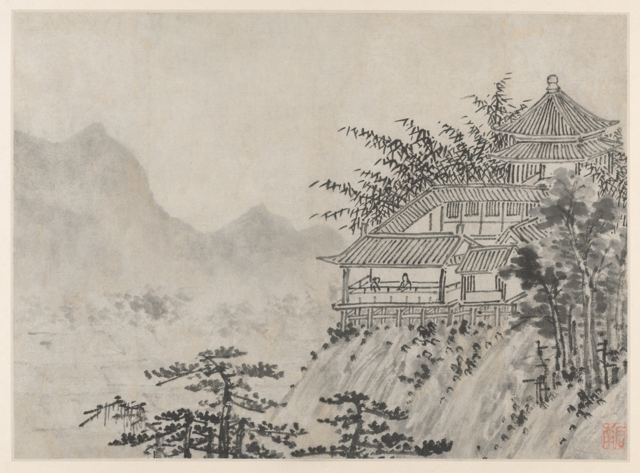
The Thousand Acres of Clouds, from Twelve Views of Tiger Hill, Suzhou
Shen Zhou
#E5D7C5#7C6E5E#B2A08A#DDCDB9#C8B7A1#E9DFD0Estimated from six colour groups in the museum image, including visible paper or borders. Reproduction and lighting affect the result; these are image-area proportions, not pigment measurements.
Leonard C. Hanna Jr. Fund · The Cleveland Museum of Art
Image licence: CC0 · Image policy · Museum record & image source ↗
Martha and Mary encounter Christ after a loss. Trace the intervals between the three figures and ask where the image lets grief interrupt a greeting.
Site interpretation and practical exercises. Historical and technical evidence is linked below.
Sources for context The Cleveland Museum of Art ↗
Read alongside
Scholars now consider this drawing a rare, late work by Rembrandt. Here, Christ meets with Martha and Mary after the death of their brother, Lazarus (John 11:30–36). The composed dignity of Christ's face and his calm compassion contrast with the prostrate figure of Mary and the agitated drawing of the kneeling Martha, whose outstretched hands are repeated three times, suggesting a frenzied expressivity. Above Martha, white gouache obliterates the figure of a standing man as well as a first version of Martha's head. The combination of rough power and sublime tenderness that characterizes Rembrandt's late drawing style is here demonstrated in the dramatic rendering of the sisters' grief and the sensitive portrayal of the bearded old man who dries his eyes with a kerchief at the right.
Collection text · The Cleveland Museum of Art · CC0↗Shen Zhou
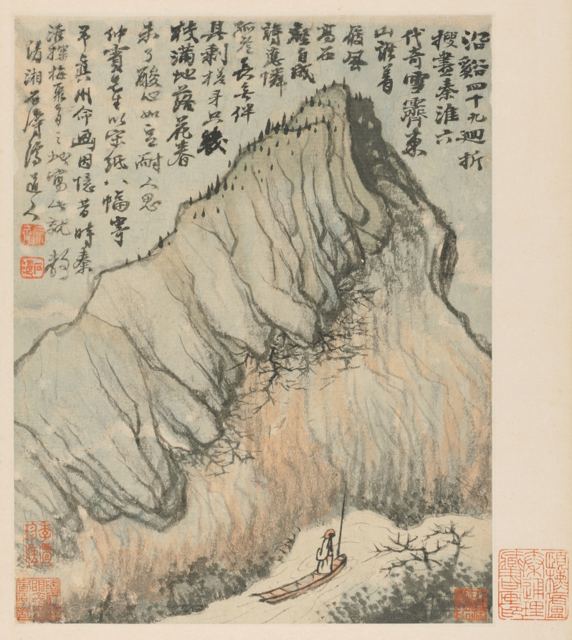 ↗
Shitao
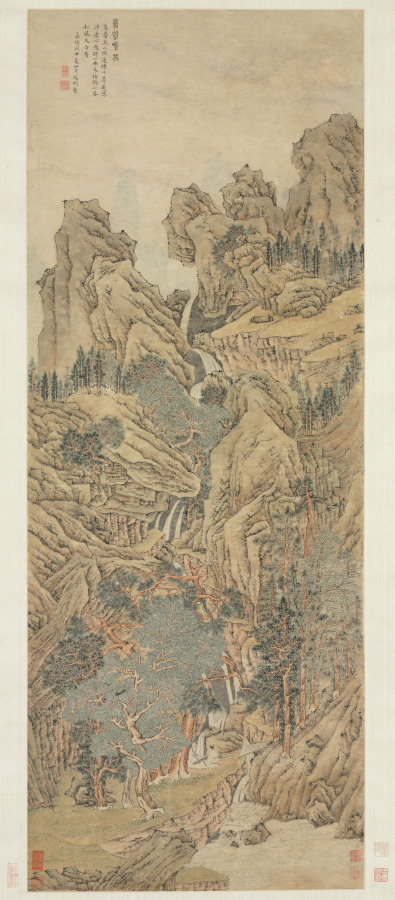 ↗
Wen Zhengming
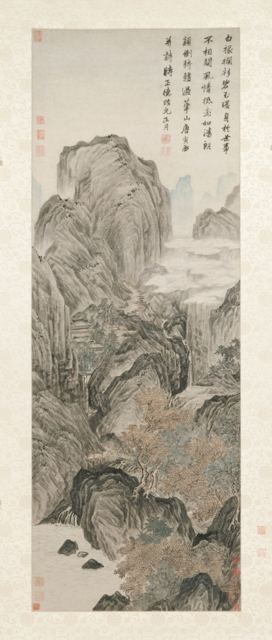 ↗
Tang Yin