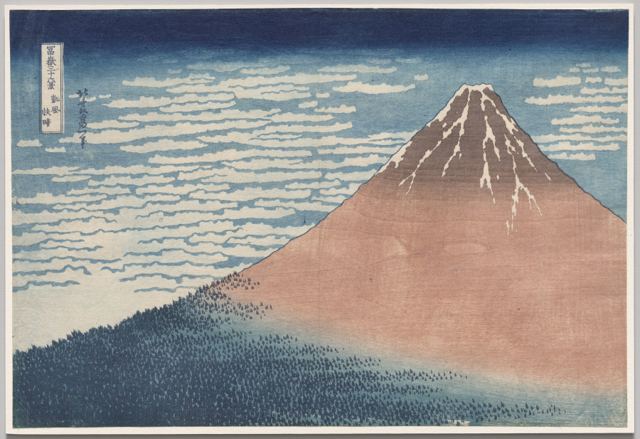
 ↗
Japan, Edo period (1615–1868) · early 1830s
South Wind, Clear Sky, from Thirty-Six Views of Mount Fuji
Katsushika Hokusai
Norman O. Stone and Ella A. Stone Memorial Fund · The Cleveland Museum of Art
Image licence: CC0 · Image policy · Museum record & image source ↗
Follow the weight of the child through the adult's arm. A family image can communicate care through a point of support before either face is read.
Site interpretation and practical exercises. Historical and technical evidence is linked below.
Sources for context The Cleveland Museum of Art ↗
Read alongside
Kōshirō Onchi was a key figure in the sōsaku-hanga movement. He not only provided essential aesthetic and spiritual leadership, but his aristocratic background made him a forceful advocate of printmaking within the hostile bureaucracy of Japan's hierarchical art world. Onchi admired the nonobjective images of Russian artist Wassily Kandinsky and the Expressionist style of the Norwegian artist Edvard Munch, whose works shared a kinship with his own interests in the expressive power of nonrepresentational and abstracted figural compositions as well as color. Onchi was particularly attracted to the medium of woodcut in which he felt he was forced to simplify his forms and thus intensify the expression of his emotion while cutting, gouging, and scraping the image into the block.
Collection text · The Cleveland Museum of Art · CC0↗Katsushika Hokusai
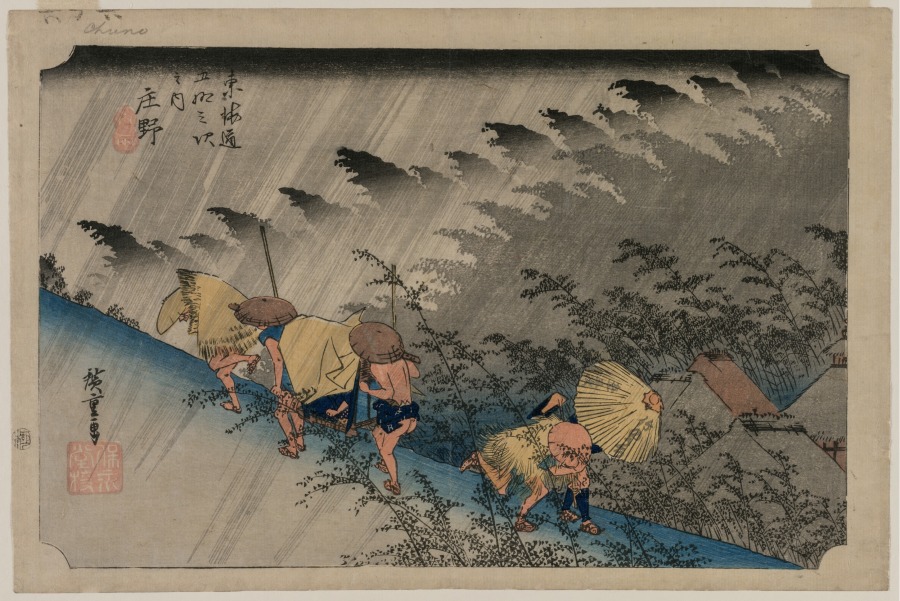 ↗
Utagawa Hiroshige
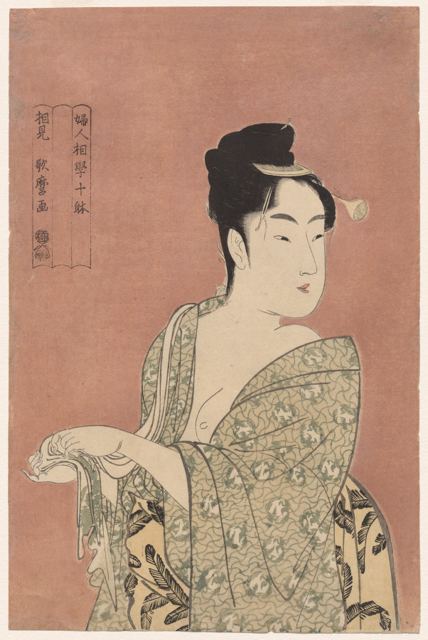 ↗
Kitagawa Utamaro
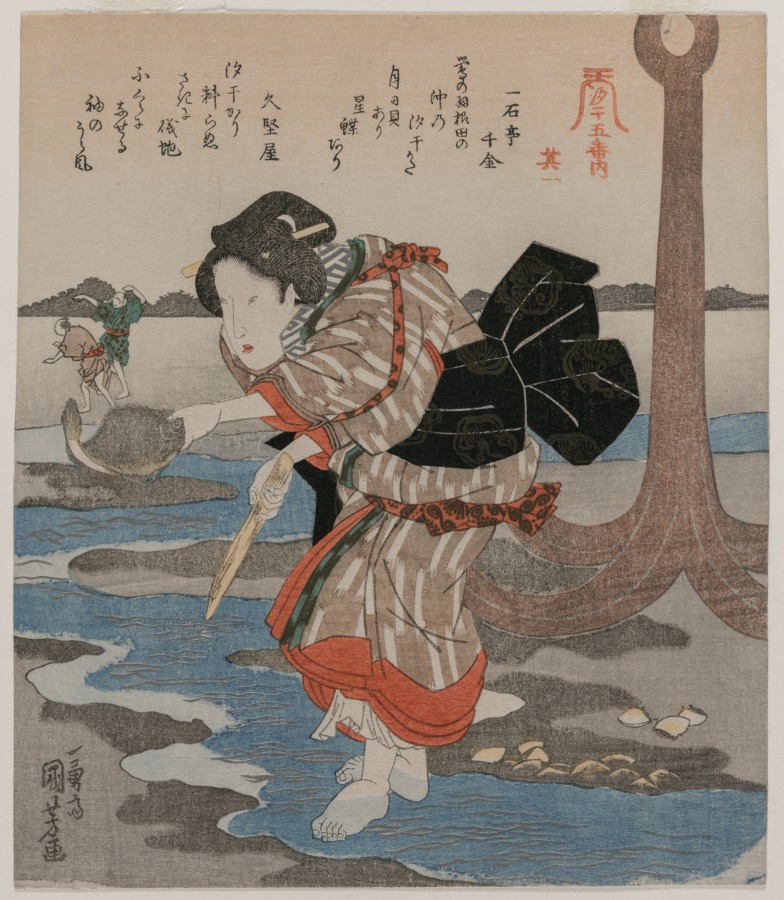 ↗
Utagawa Kuniyoshi