 ↗
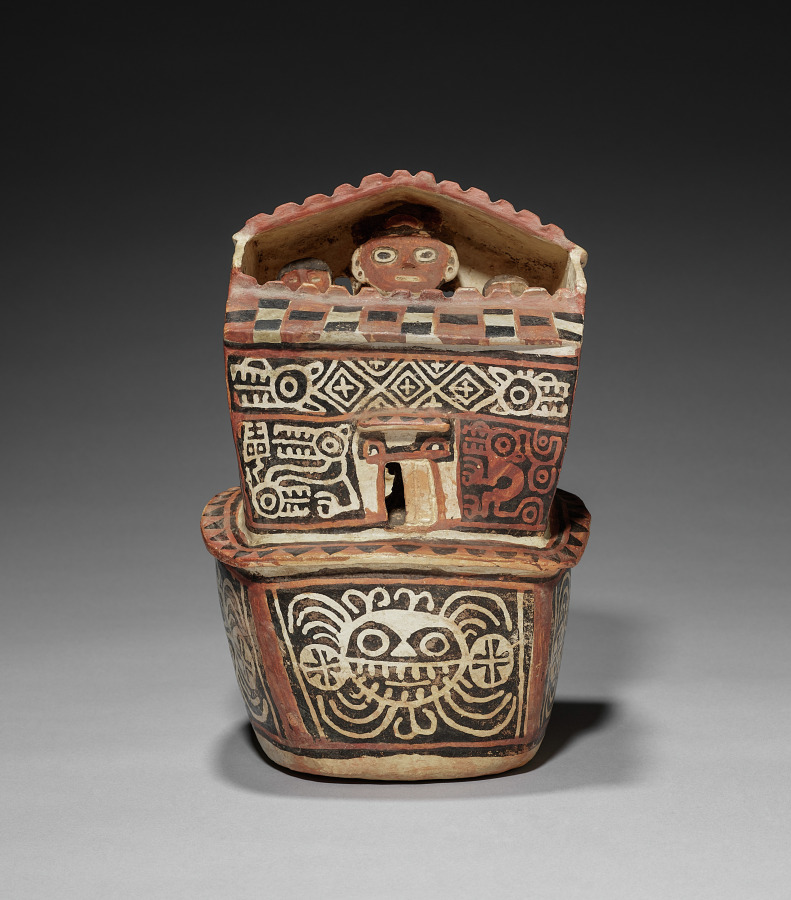
Central Andes (Peru), Recuay people · 1–700 CE
Architectural Vessel
Creator not recorded
Andrew R. and Martha Holden Jennings Fund · The Cleveland Museum of Art
Image licence: CC0 · Image policy · Museum record & image source ↗
Creator not recorded by the museum
A head survives here as an object in its own right. Trace the boundary at its base and consider what the present framing can and cannot tell us about its original setting.
Site interpretation and practical exercises. Historical and technical evidence is linked below.
Sources for context The Cleveland Museum of Art ↗
Read alongside
More than 500 such sculptures—often full figures with elaborate hairstyles and jewelry— have been found in central Nigeria. Named after a discovery site, Nok culture (500 BCE–200 CE or 1500–1 BCE) produced the earliest large figurative artworks in Africa outside of Egypt. Little was known about their social context, as they were first found in mining deposits in the 1920s. Archaeological excavations conducted in the 2000s by a German-Nigerian team suggest that many sculptures were deliberately broken and placed under pavements and in pits, indicating ritual practice. Male-centered art histories presumed men made these figurative sculptures; however, they incorporate building and firing techniques practiced only by women.
Collection text · The Cleveland Museum of Art · CC0↗Creator not recorded
 ↗
Creator not recorded
 ↗
Creator not recorded
 ↗
Creator not recorded