 ↗
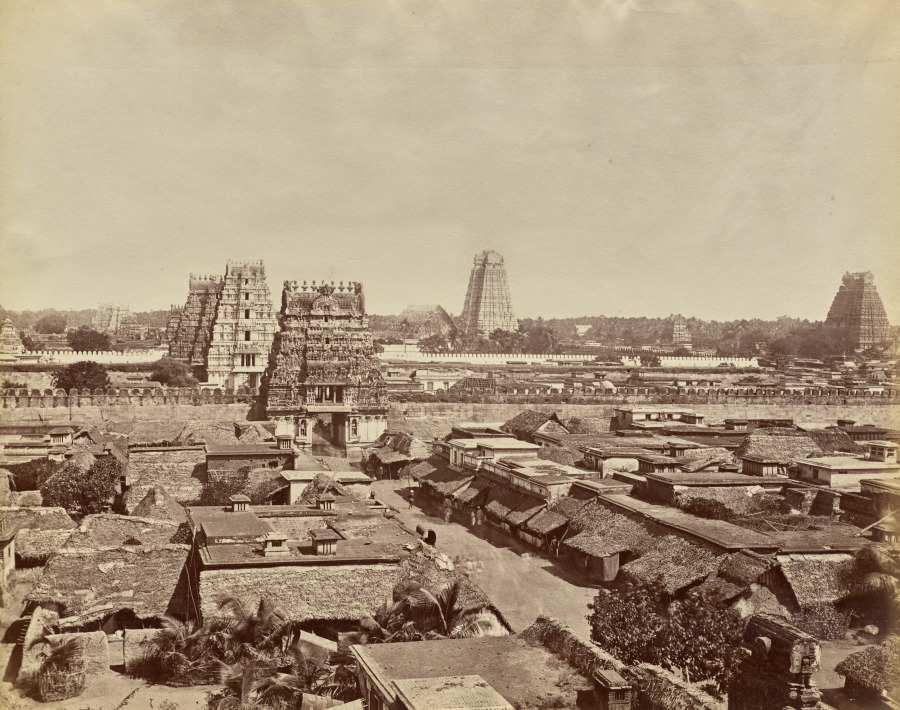
India · 1878
View from the Top of the Rock, looking over the native Town, Trichinopoly, India
Nicholas & Co.
Purchase from the J. H. Wade Fund · The Cleveland Museum of Art
Image licence: CC0 · Image policy · Museum record & image source ↗
Creator not recorded by the museum
A seal makes a second image by leaving an impression. Mirror the animal and signs on paper to compare what a maker cuts with what another person would read.
Site interpretation and practical exercises. Historical and technical evidence is linked below.
Sources for context The Cleveland Museum of Art ↗
Read alongside
Small stone seals, probably used to identify merchandise or property, are among the most numerous objects surviving from the protohistoric urban sites along the banks of the Indus River system. This example has a bovine creature with one horn and one ear showing in profile, his head held over an altar-like object.
Collection text · The Cleveland Museum of Art · CC0↗Nicholas & Co.
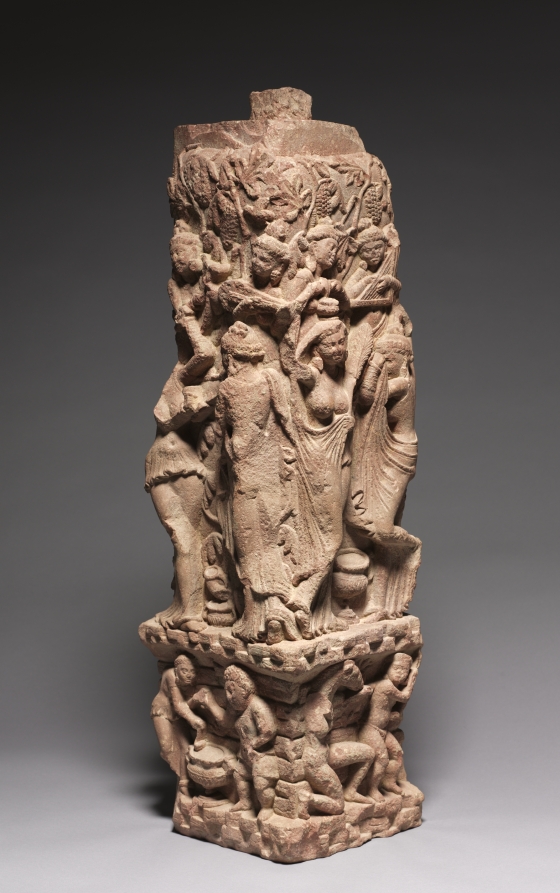 ↗
Creator not recorded
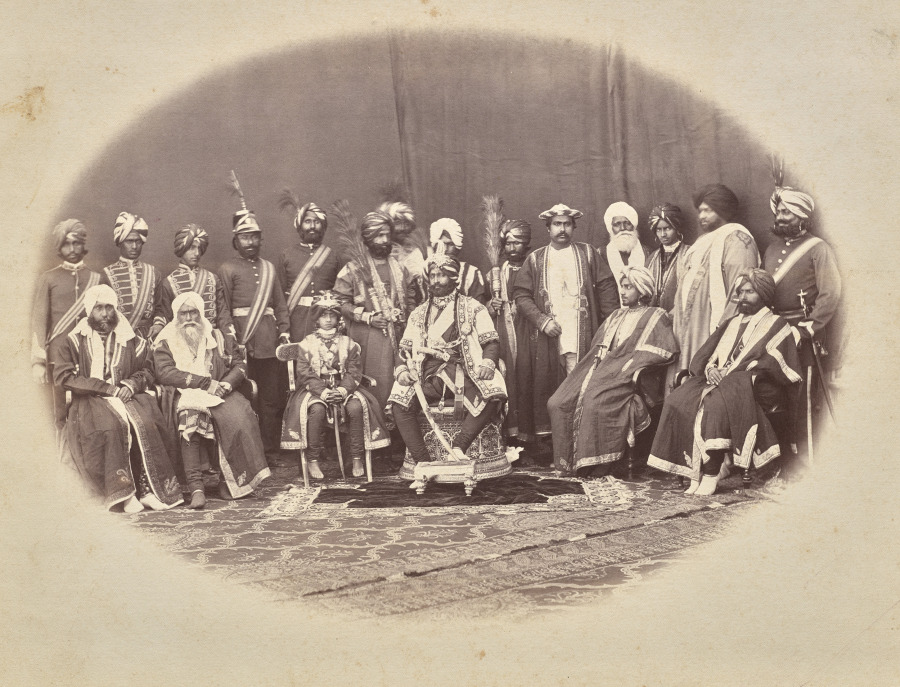 ↗
Bourne & Shepherd
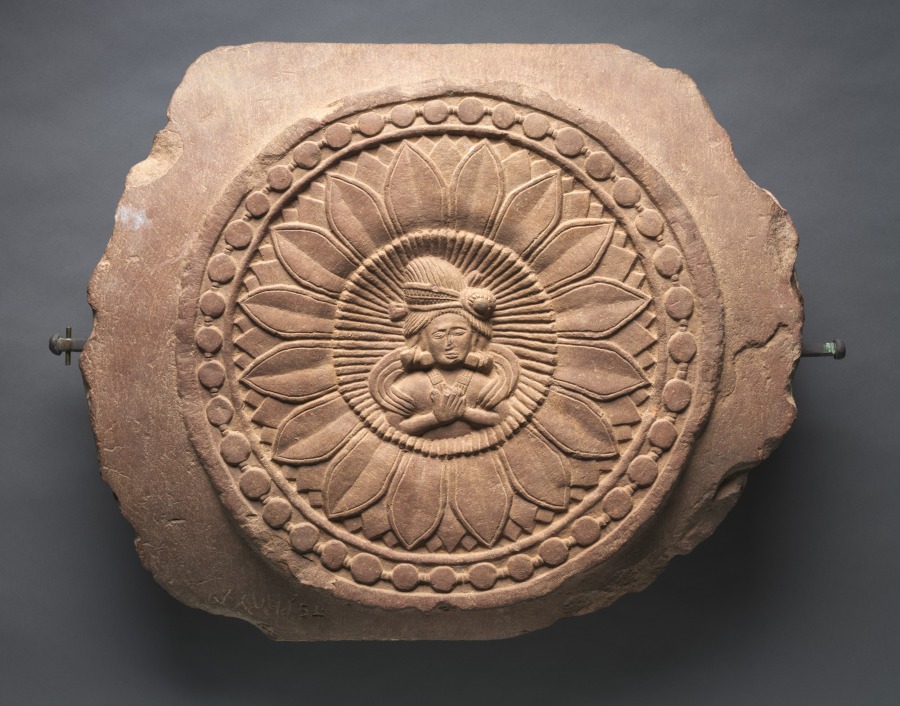 ↗
Creator not recorded