 ↗
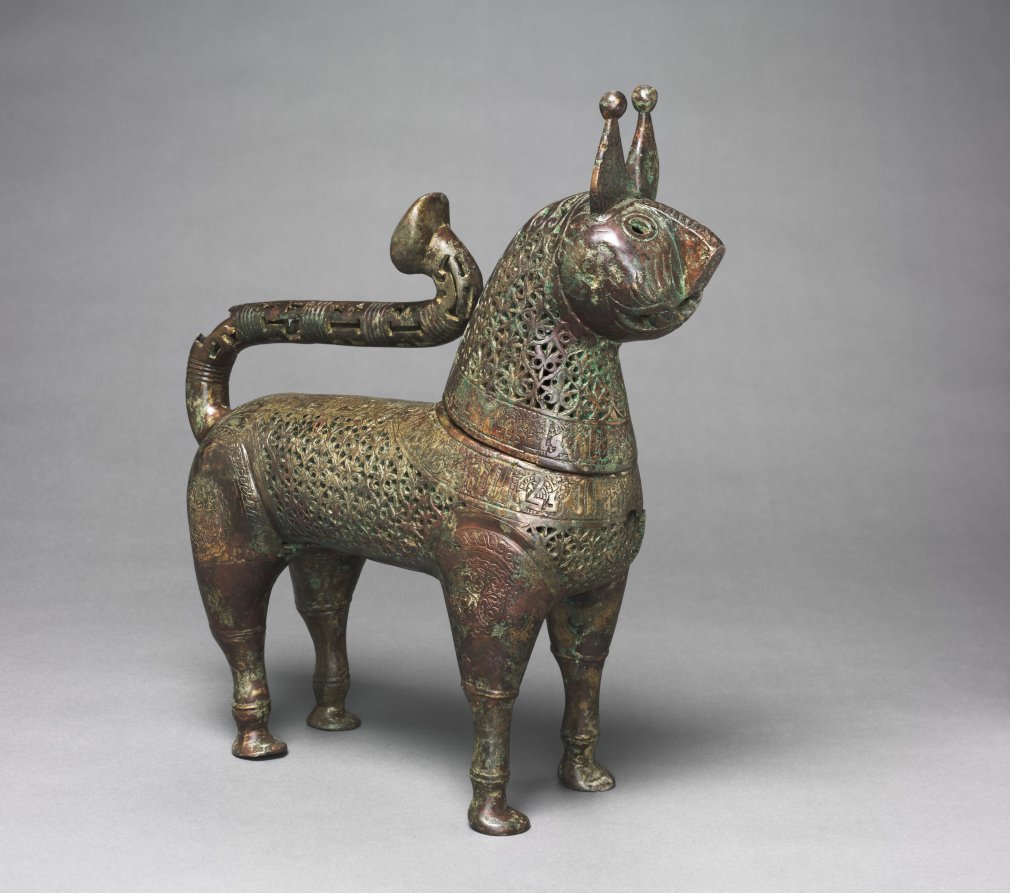
Iran, Seljuq period of Iran (1037–1194) · 1200–1221
The Wade Cup with Animated Script
Creator not recorded
Gift of Mr. and Mrs. Robert M. Hornung · The Cleveland Museum of Art
Image licence: CC0 · Image policy · Museum record & image source ↗
Creator not recorded by the museum
Compare the weight's geometric intention with its softened edges. Precision belongs to the original function, wear to the many hands that used it.
Site interpretation and practical exercises. Historical and technical evidence is linked below.
Sources for context The Cleveland Museum of Art ↗
Read alongside
The Asante kingdom (an Akan state in present-day Ghana) primarily derived its wealth and power from its massive gold resources. Since at least 1600, small weights in brass and bronze were used to weigh gold dust and nuggets, which were the local form of currency. The rounded, worn-down edges of this weight suggest that it was used frequently. The royal court had the most elaborate store of weights, while commoners often had about a dozen. Their imagery falls into two broad categories: geometric and representational. The latter often refers to proverbs, which used judiciously, marked a wise person.
Collection text · The Cleveland Museum of Art · CC0This small copper-alloy object once helped measure gold by weight. Its geometry can look beautifully deliberate in a photograph, yet the softened edges record repeated handling. Draw the object twice, first as a crisp new shape and then as it survives. How much of its working history can you tell through the corners alone?
Site study note · catalogue facts and visual interpretation
Check the museum record ↗↗Creator not recorded
 ↗
Creator not recorded
 ↗
Creator not recorded
 ↗
Creator not recorded