A closer look at this work
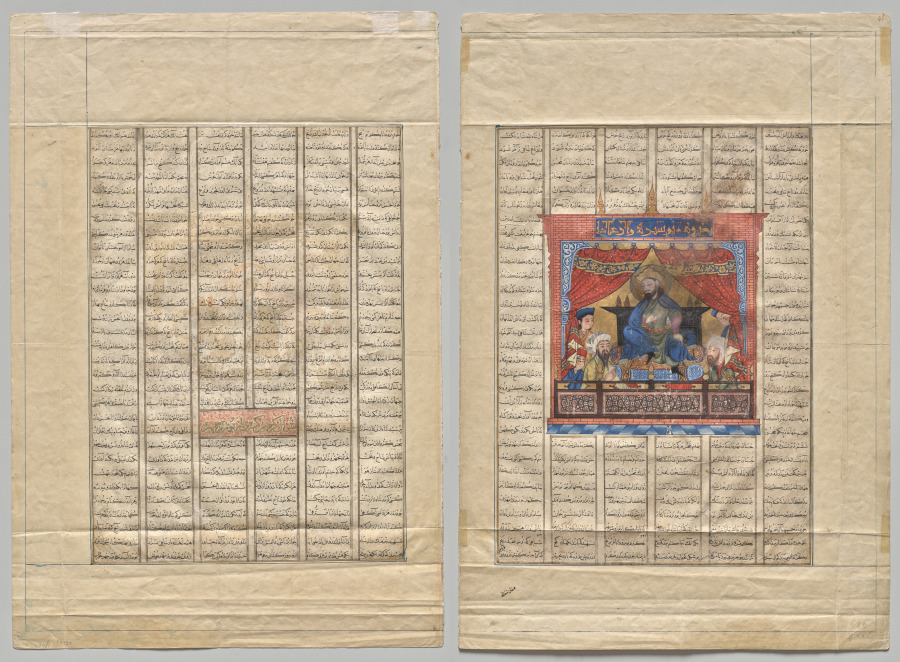
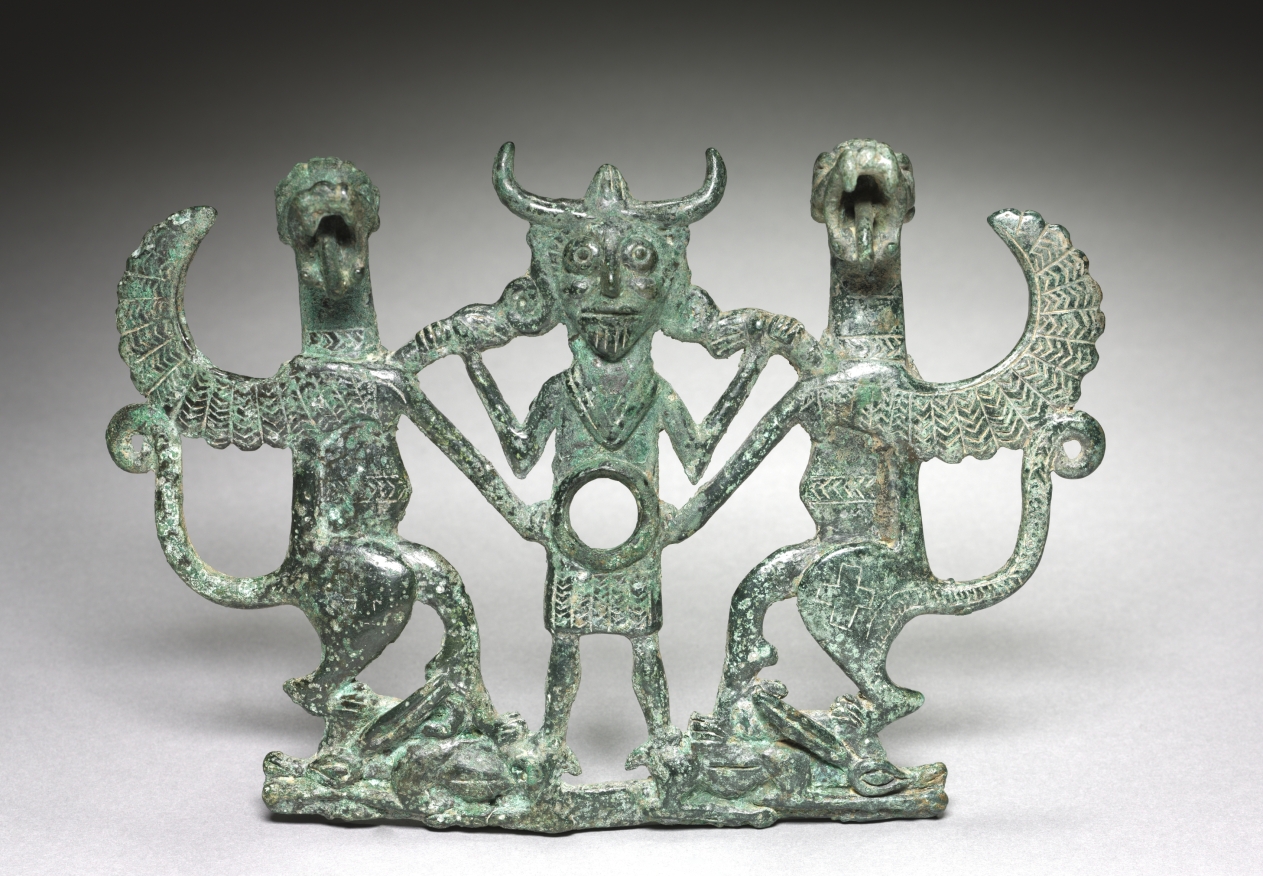
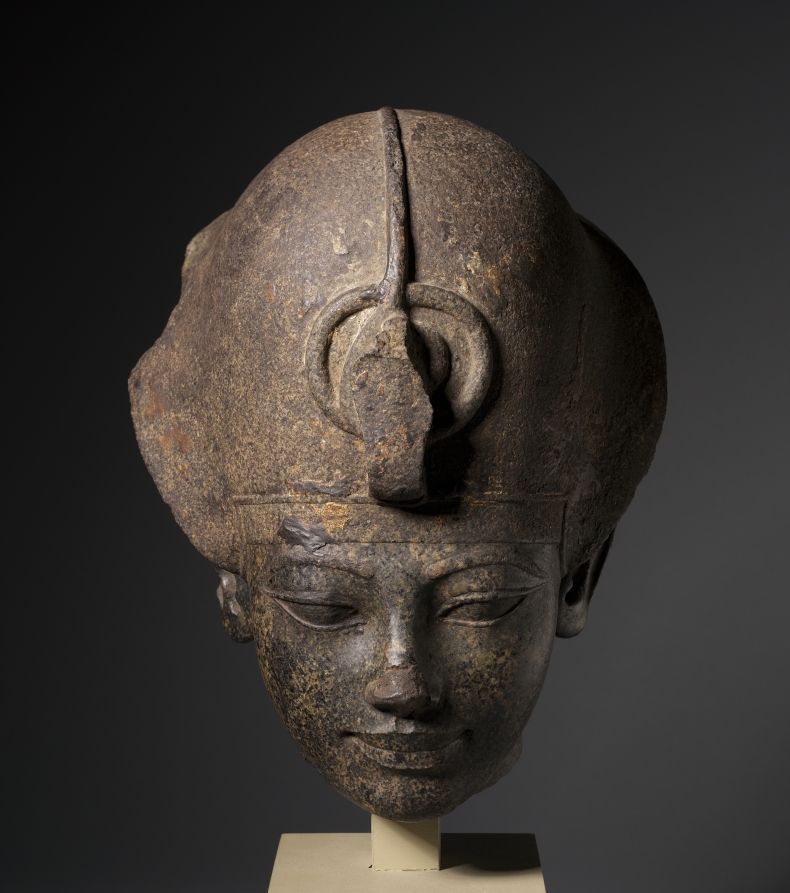
A seated ruler can project command while physically at rest. Find the points of support before looking for signs of rank.
Site interpretation and practical exercises. Historical and technical evidence is linked below.
Sources for context The Cleveland Museum of Art ↗
Read alongside
FROM THE MUSEUMFour thousand years ago northern Syria was a crossroads of peoples and cultures, meeting through trade and military conflict. This statue of a portly man sitting on a low throne combines Assyrian and Amorite stylistic influences. It was possibly found at Ebla, where some scholars believe the biblical Abraham visited as he traveled from Chaldea to Canaan around 2000 bc. Such a large carved stone image suggests a local ruler or high official. The head was removed, probably in an act of ritual defilement, since decapitation was believed to cancel the object’s supernatural presence.
Collection text · The Cleveland Museum of Art · CC0  ↗