 ↗
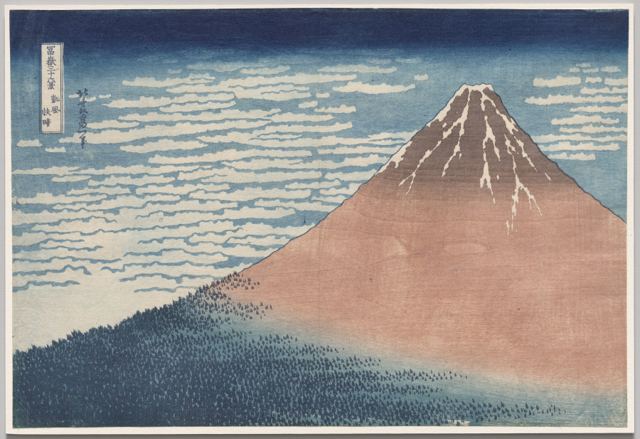
Japan, Edo period (1615–1868) · early 1830s
South Wind, Clear Sky, from Thirty-Six Views of Mount Fuji
Katsushika Hokusai
#93805E#9B8560#99835F#7D6E54#958260#AA946BEstimated from six colour groups in the museum image, including visible paper or borders. Reproduction and lighting affect the result; these are image-area proportions, not pigment measurements.
John L. Severance Fund · The Cleveland Museum of Art
Image licence: CC0 · Image policy · Museum record & image source ↗
Kōrin used reserve for the white blossoms, leaving selected places untouched. In this case the painter has to know where the flowers will be before surrounding marks make them visible.
A plum blossom is small beside the branching structure that carries it. Try placing the blossoms last, then check which gaps in the branches made them visible.
Site interpretation and practical exercises. Historical and technical evidence is linked below.
Sources for context The Cleveland Museum of Art ↗
Read alongside
Ogata Kōrin had to think through his design carefully to create these white plum blossoms and deliver their effect, as he used the reserve technique—where selected areas of the painting surface are left unpainted—to achieve it. He probably roughed in the tree before applying an ink wash to the entire silk surface, except where he intended to place the flowers. He likely then returned to articulate the petals and, in some cases, the pistils and stamens. The composition shows the tree twisting out of view, only to return with a branch of new growth jabbing forth from an old, broken limb, thereby heightening the visual impact of the blossoms.
Collection text · The Cleveland Museum of Art · CC0↗Katsushika Hokusai
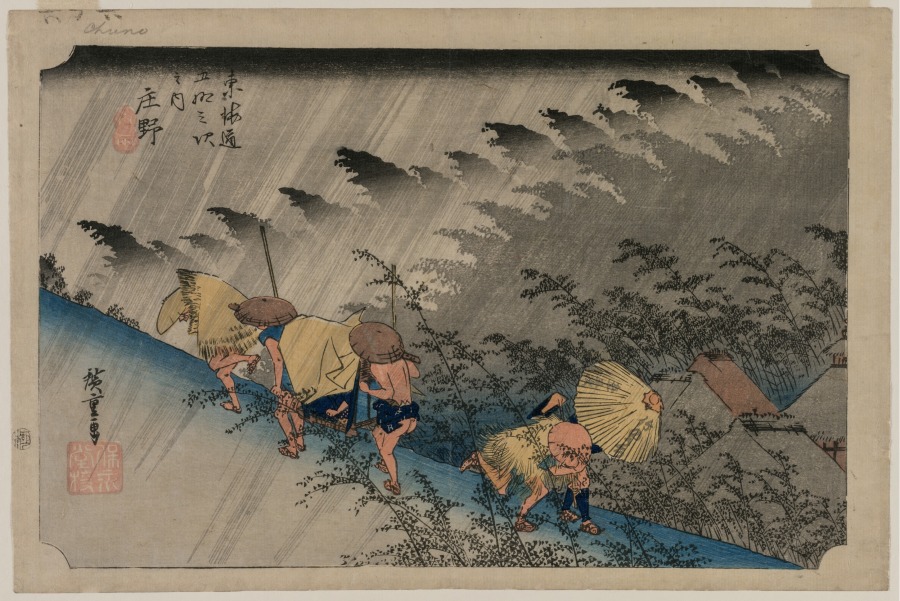 ↗
Utagawa Hiroshige
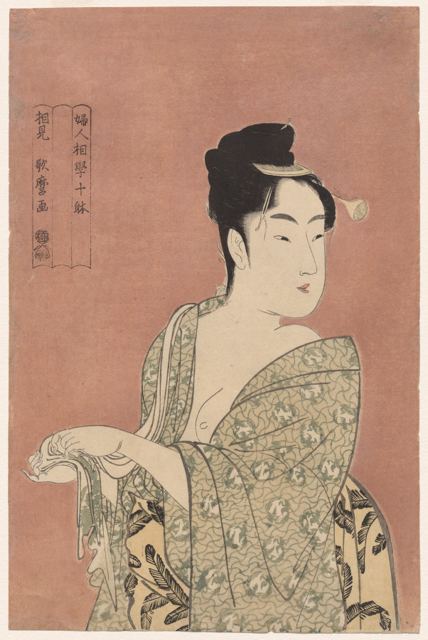 ↗
Kitagawa Utamaro
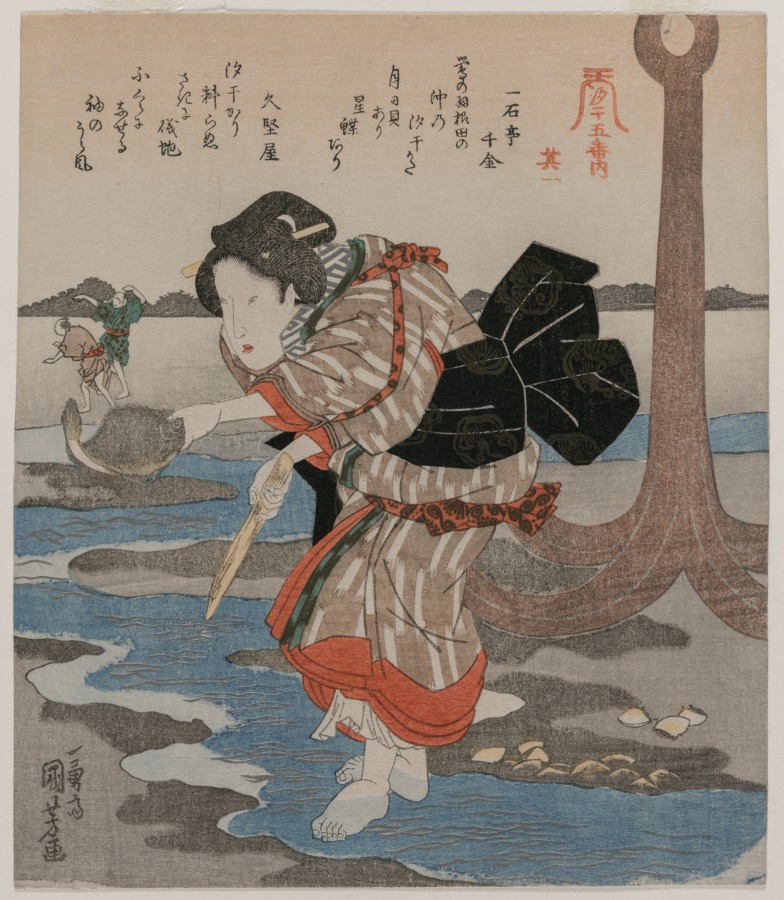 ↗
Utagawa Kuniyoshi