 ↗
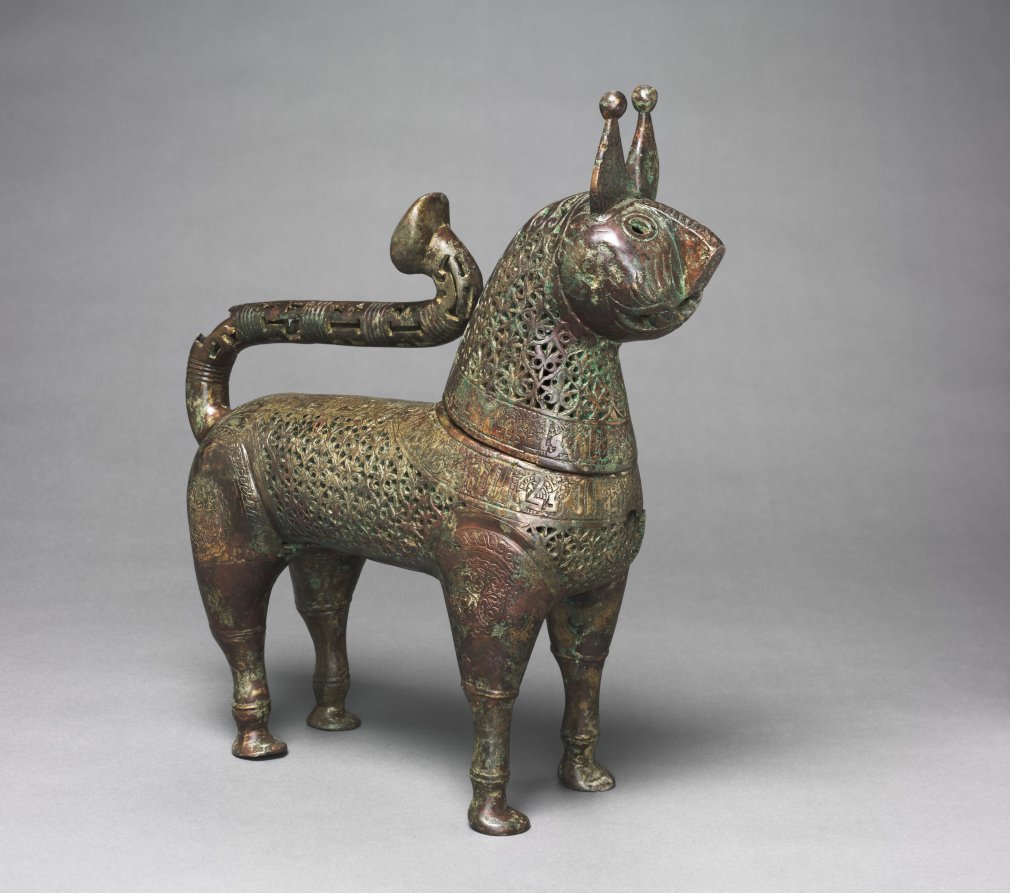
Iran, Seljuq period of Iran (1037–1194) · 1200–1221
The Wade Cup with Animated Script
Creator not recorded
Purchase from the J. H. Wade Fund · The Cleveland Museum of Art
Image licence: CC0 · Image policy · Museum record & image source ↗
Creator not recorded by the museum
In a Safavid court setting, access to costly weaving materials was part of the carpet's public meaning. A shifting glint gives that investment a visible effect.
Silk and metal thread do not catch light equally. Imagine a person crossing the carpet: the observer's movement can change the emphasis of a pattern that stays fixed.
Site interpretation and practical exercises. Historical and technical evidence is linked below.
Sources for context The Cleveland Museum of Art ↗
Read alongside
The Safavid dynasty was the greatest dynasty from Iran in the Islamic period. Similarly, woven textiles and carpets from this period are some of the best produced in the region. Royal workshops produced luxurious textiles, like this one, to furnish the royal court. Expertly woven silks were highly prized by the Iranian elite but were also produced for export to the European aristocracy.
Collection text · The Cleveland Museum of Art · CC0↗Creator not recorded
 ↗
Creator not recorded
 ↗
Creator not recorded
 ↗
Creator not recorded